 The Bitcoin Beacon
A $140 million tranche is cleared, the fund accepts that no public money bought the coins — and the national stack sits roughly $239 million in profit.
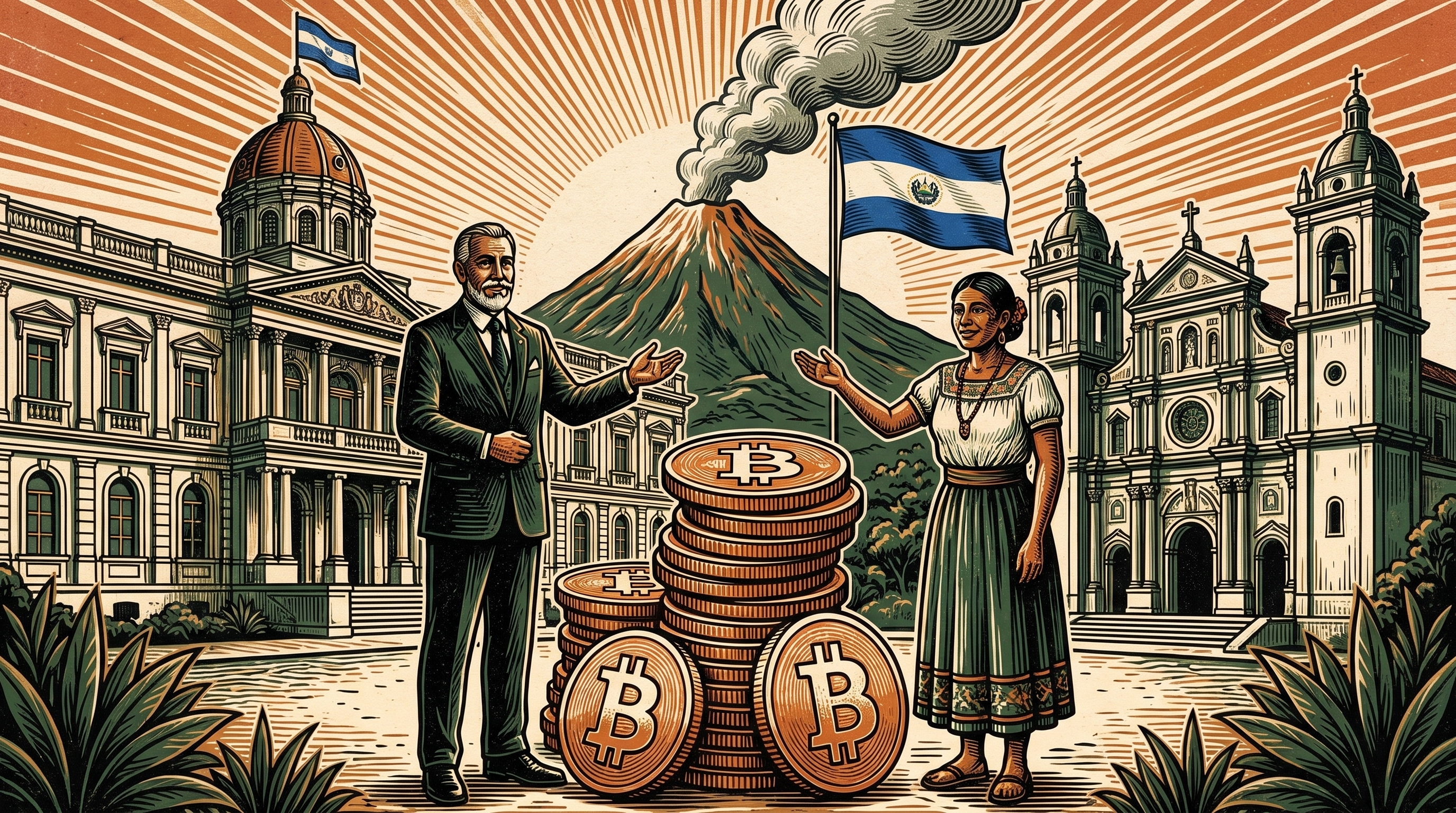
SAN SALVADOR — The International Monetary Fund and El Salvador have spent three years fighting over the same question: is the government still buying bitcoin with public money? On September 3, the Fund published its answer, and for once it worked in President Nayib Bukele’s favor. The IMF said El Salvador provided documentation showing that every coin added to the national reserve since June 27, 2025 came from private donations — not the treasury — and it cleared the next tranche of the country’s loan.
The payout is roughly $140 million. It is not new money: it is the second-and-third combined review disbursement under the 40-month, $1.4 billion Extended Fund Facility El Salvador entered in February 2025. To unlock it the country had to hit its fiscal targets and satisfy the Fund on the one condition that has defined the program — that it would not grow its public-sector bitcoin holdings.
El Salvador has kept posting a near-daily “+1 BTC” to its public wallets, a ritual Bukele turned into a running provocation. The IMF’s finding explains how that squares with a program that bars public accumulation: the coins, the Fund said, came from private donations, and some apparent additions were internal transfers between government-controlled wallets rather than fresh purchases. In the IMF’s words, “no public resources were used.”
It is a workaround, and the Fund treated it as one — acceptable, but capped. The IMF was explicit that no further accumulation beyond documented private donations is expected, and that the $140 million will fund reforms, public finances and development needs, not more bitcoin. The daily buys can continue only as long as someone other than the state is paying for them.
As of September 4 the reserve holds 7,764 BTC, up from 5,968 a year ago. At a bitcoin price near $81,000 the stack is worth about $628 million against a total cost of roughly $389 million — an average entry of $67,290 per coin and an unrealized gain of about $239 million.
A paper profit is not vindication. But it removes the argument critics leaned on hardest: that Bukele was lighting public money on fire.
That profit is the political prize. For years the standard critique of the experiment was that a poor country was gambling scarce dollars on a volatile asset. A reserve that is both privately funded and deep in the green is a harder target. It does not prove bitcoin works as everyday money — on that front the evidence from El Zonte remains thin — but it lets the government claim the treasury bet, at least, has paid.
The IMF got the concession that mattered to it: the 2021 legal-tender regime has already been rolled back, bitcoin acceptance by merchants is voluntary, and public accumulation is frozen. Salvadoran output is running ahead of forecast, with growth projected at 4.5% in 2026, which is the real reason the review passed.
What the Fund did not get is an end to the symbolism. Bukele can keep the wallet ticking upward on donated coins and keep the reserve on the state’s books, and the IMF has now effectively signed a document confirming the holdings are legitimate and profitable. Both sides can read the same statement as a win, which is usually how these programs survive.
Why it matters: a bitcoin reserve funded by donations and sitting in profit is the version of the El Salvador experiment that other governments can copy without a fight with their lender.
Free. Five minutes. No hype.
Subscribe free