 The Bitcoin Beacon
Wallet of Satoshi, long the easiest way onto Lightning, is ending its custodial service and pushing millions of users to hold their own bitcoin.
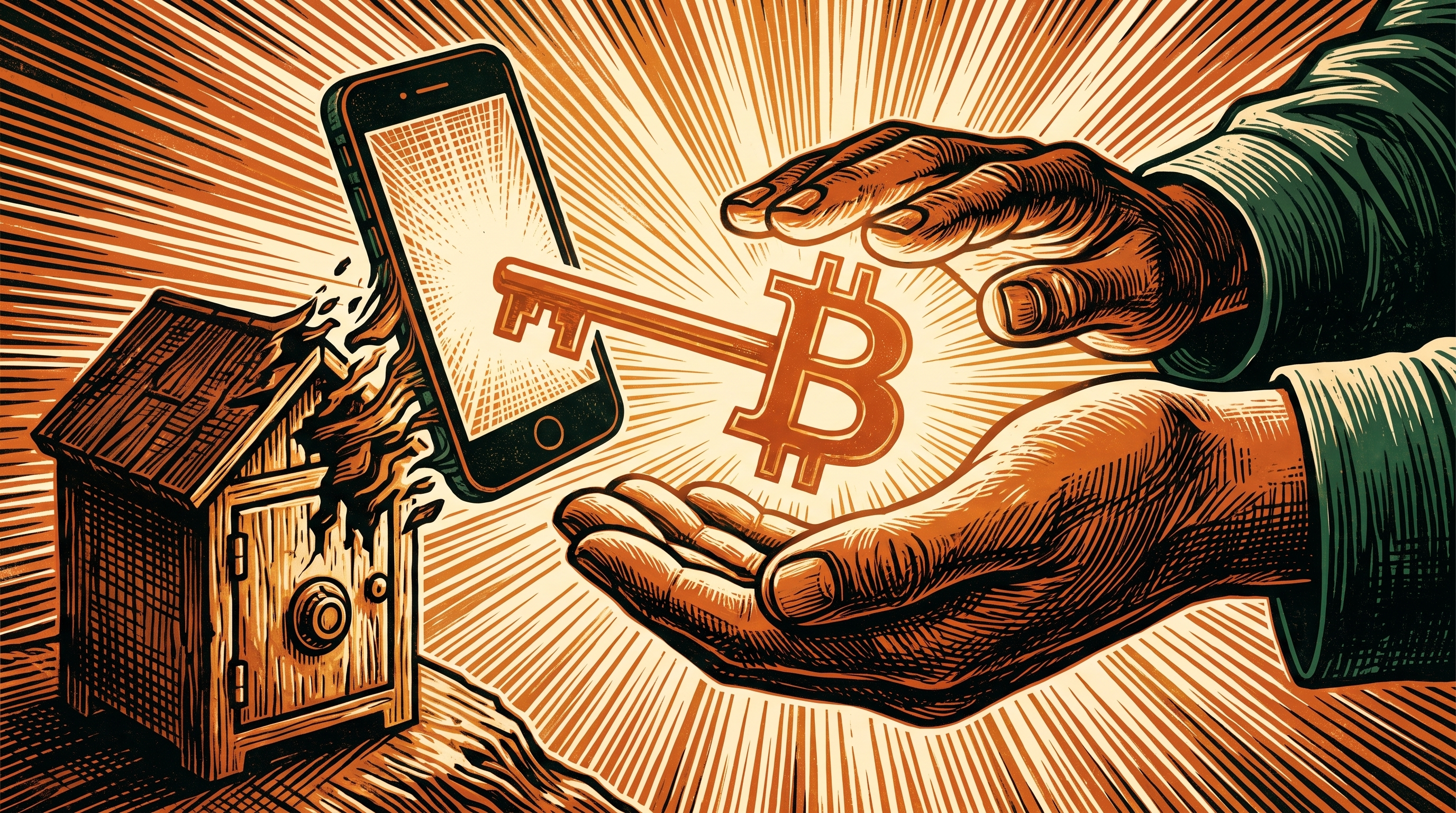
GLOBAL — For years, the easiest way to send a Lightning payment was to download Wallet of Satoshi, and the easiest wallet has always been a custodial one: the company holds the keys, the user holds nothing but a balance. Now that trade is ending. Wallet of Satoshi is winding down its custodial service and pushing its users onto a new self-custody app where they, not the company, control the bitcoin.
The change is already live in the biggest markets. In the United States, the European Union, Australia and New Zealand, the legacy wallet can no longer create new Lightning invoices — users can still send and spend an existing balance, but not receive. Remaining regions are scheduled to follow by the end of September. Users have until June 30, 2027 to move their funds to the new self-custody wallet.
The driver is legal, not ideological. Since early 2026, Wallet of Satoshi has offered only a self-custodial product in the EU, responding to the bloc’s tightening rules on custodial wallet providers under its markets-in-crypto-assets regime. Holding customer funds increasingly means licensing, capital, reporting and liability; not holding them sidesteps the entire burden. The company is choosing the path that removes it from the regulatory perimeter.
That makes this a milestone with an asterisk. The most popular custodial Lightning wallet is going self-custody less because users demanded their keys and more because governments made custody expensive. The outcome — millions nudged toward controlling their own bitcoin — is one self-custody advocates have wanted for years, arriving by an unexpected road.
Not everyone is convinced the new product clears the bar. Skeptics on developer forums have argued the replacement wallet blends self-custodial and managed elements, and that “your keys” can hide dependencies on the provider’s infrastructure. The distinction matters: a wallet that generates keys on your device but routes everything through one company’s servers is more resilient than a custodial account, but it is not the same as running your own node.
The hard part of self-custody was never the keys. It is what happens when a normal person loses them.
Self-custody trades a company’s risk for the user’s responsibility. Wallet of Satoshi’s appeal was that it demanded nothing — no seed phrase to guard, no backup to lose. Handing keys to millions of casual users means handing them the failure modes too: forgotten backups, lost phones, funds gone with no support line to call. Whether the transition sticks depends less on the cryptography than on whether ordinary people can be walked through it without losing money.
Wallet of Satoshi has processed enormous volumes precisely because it was frictionless, and it is a default across Africa, Southeast Asia and Latin America where Lightning has real footing. Moving that base to self-custody — even an imperfect version — shifts the center of gravity of everyday bitcoin use toward the model the network was built for: value that no intermediary can freeze, and no regulator can order a company to hand over, because no company holds it.
Why it matters: the mass-market face of Lightning is handing users their own keys, turning a regulatory squeeze into the largest push toward self-custody the everyday-payments layer has seen.
Free. Five minutes. No hype.
Subscribe free