 The Bitcoin Beacon
In one week, a $115 million self-custody disaster and Citi’s bitcoin-custody launch told the same story: the safest-looking place to keep bitcoin is starting to look like a bank.
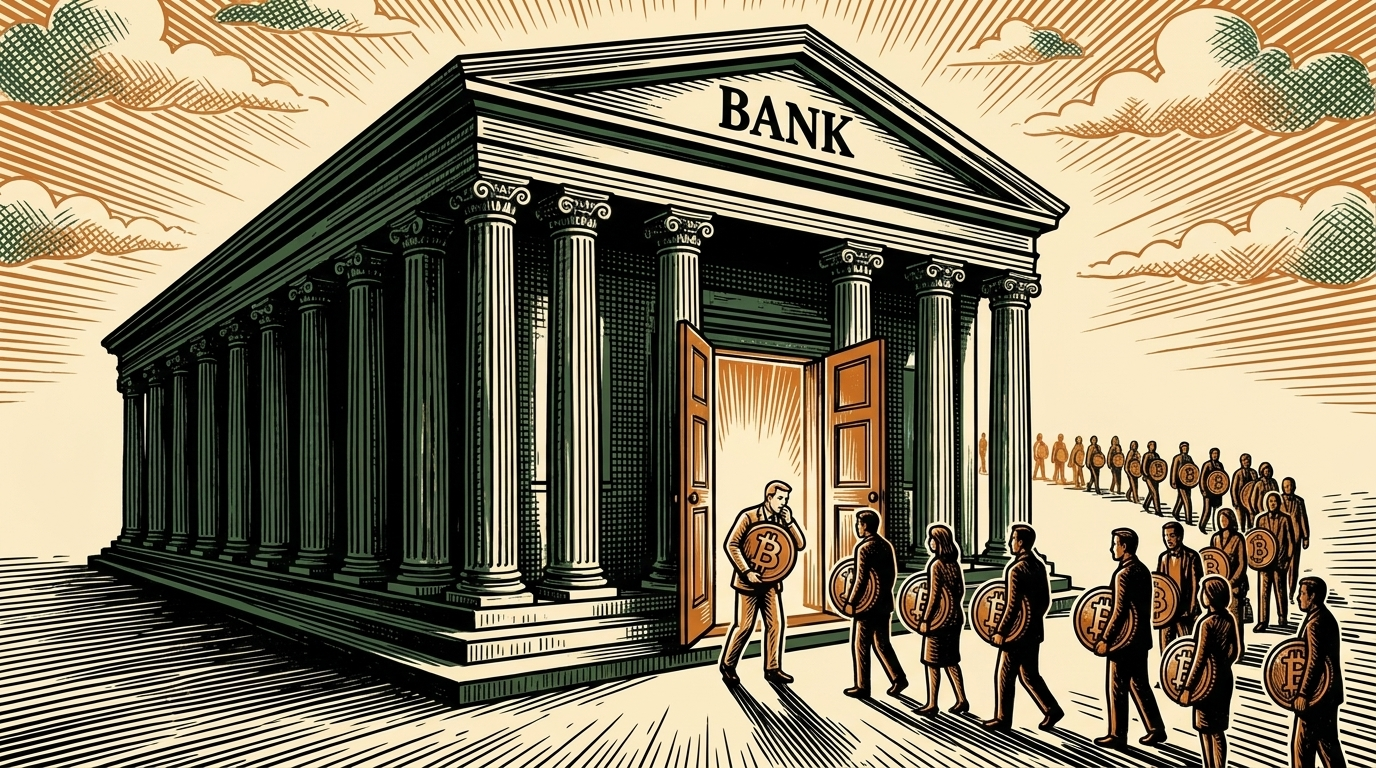
Read this week’s bitcoin news side by side. Thieves drained more than $115 million from Coldcard hardware wallets through a firmware flaw, and a Swiss maker rushed out a patch for severe bugs of its own. In the same news cycle, Citi announced it will custody bitcoin for institutions, Metaplanet stood up a Nasdaq-listed treasury vehicle, and the SEC proposed a rulebook to bring token issuance onshore. The two halves are not unrelated. They are the same story from opposite ends.
The dominant bitcoin storyline of 2026 is not the price. It is re-intermediation — the steady migration of coins from individuals holding their own keys toward banks, funds, and treasury companies holding them on everyone’s behalf. Every institutional on-ramp is also, for the coins that pass through it, an off-ramp from self-custody.
Nothing markets a custodian quite like watching careful people lose everything. The Coldcard victims did what the orthodoxy prescribed: bought a dedicated device, kept the keys offline, held their own coins. Galaxy Research found the typical stolen coin had sat untouched for three and a half years. These were disciplined savers, and a bug they could not see cost them their savings. After a week like that, “let a $2.8 trillion bank hold it” sounds less like heresy and more like relief.
The steelman is strong. Custodians expand access to the pensions and endowments that will never run a hardware wallet. They absorb the catastrophic user error that just erased fortunes. Regulated vaults and clear SEC rules bring in trillions and deepen the liquidity that benefits every holder, including the stubborn ones who keep their own keys. And the protocol genuinely does not care who holds the coins — a UTXO is a UTXO whether it sits at Citi or on a device in a drawer.
But the reason bitcoin exists is the one thing custody gives back. Its founding proposition was that you do not need to trust a third party — no bank to freeze your account, no intermediary to fail with your money, no gatekeeper to ask permission. A world where most bitcoin lives in a handful of regulated vaults recreates, coin for coin, the arrangement bitcoin was built to escape: institutions holding your money, regulators defining your rights, and a short list of firms that can be pressured, subpoenaed, or hacked at scale.
The question is not whether custody is convenient. It obviously is, and this month made the case better than any custodian’s brochure. The question is what bitcoin becomes if convenience wins by default — if the practical answer to “how should I hold this?” quietly settles on “let someone else.” The number worth watching in 2026 is not the price. It is the ratio of self-custodied coins to custodied ones. That line, not the chart, will tell you whether bitcoin is still the thing it set out to be.
The Bitcoin Beacon’s Take is one clearly labeled opinion per issue. Arguments, not advice.
The Take is opinion, written from reporting in this issue. Informational only — not financial advice.
Free. Five minutes. No hype.
Subscribe free