 The Bitcoin Beacon
With the CLARITY Act slipping to September, the SEC proposed its own framework — capital-raising exemptions, plain-language disclosures, and a safe harbor that can turn a token into a non-security.
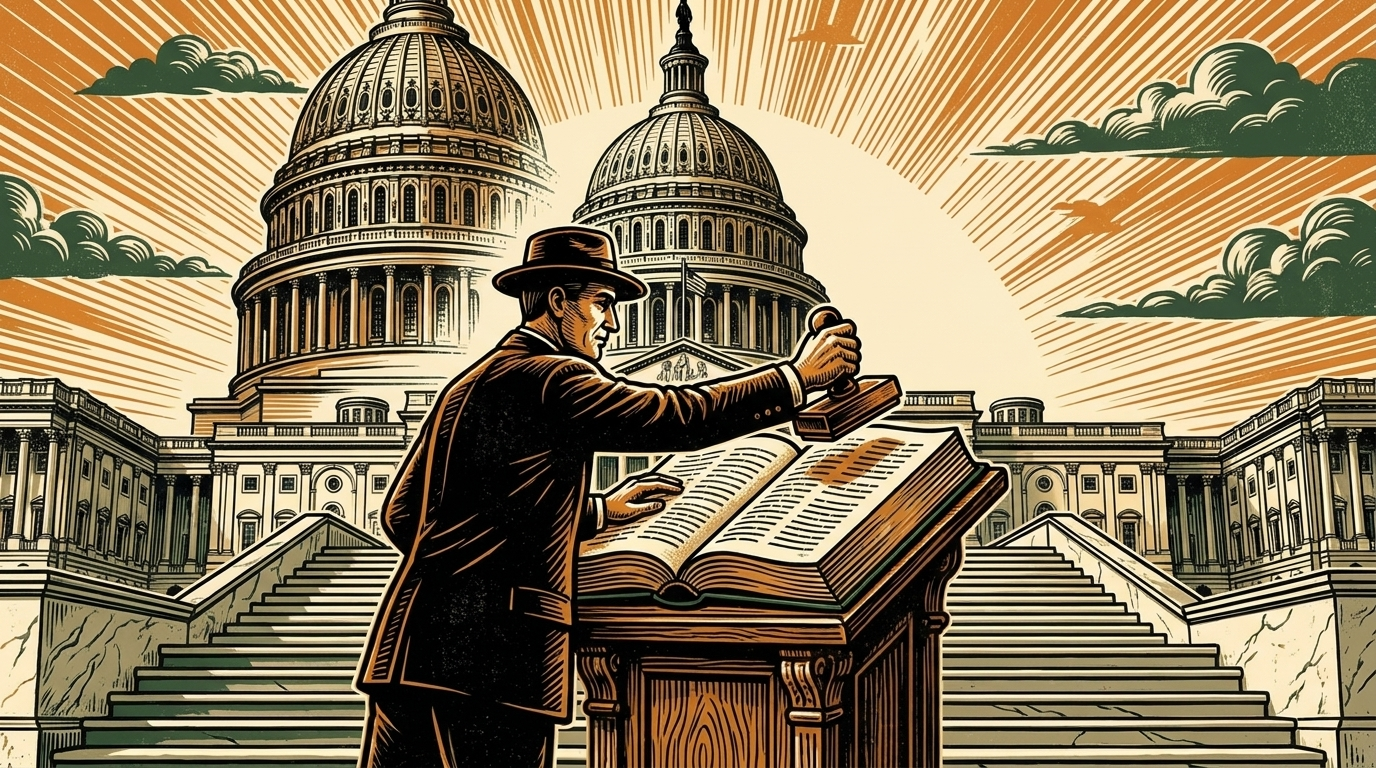
Washington’s crypto law is stuck in Congress, so the regulators are writing their own. On August 18 the Securities and Exchange Commission proposed “Regulation Crypto Assets,” a tailored regime it says will let token issuers raise money in the United States without running afoul of securities law — pressing ahead while the landmark bill meant to settle these questions goes nowhere.
The proposal carves two exemptions out of the registration requirements of the Securities Act of 1933. The first is a one-time exemption allowing an issuer to raise up to $5 million in crypto over four years. The second permits up to $75 million in any twelve-month period, but comes with financial statements and ongoing reporting obligations. Both require issuers to publish narrative disclosures — plain-language explainers laying out the business and its risks for investors.
The rule’s most consequential feature is a conditional safe harbor. Once an issuer has completed — or permanently abandoned — the managerial work it promised investors, its token would no longer be treated as subject to an investment contract, and so would fall outside the legal definition of a “security.” That is an attempt to answer, by regulation, the question the industry has fought over for years: when does a token stop being a securities offering and become just an asset that trades.
SEC Chairman Paul Atkins framed the move as a way to “onshore innovation in crypto asset markets” and give founders clear paths to raise capital “as Congress works to establish a lasting regulatory framework.” The proposal builds on the SEC’s March interpretation of how securities law applies to digital assets. Comments will be open for 60 days after it is published in the Federal Register.
The framework the SEC is working around is the CLARITY Act, which would define which tokens count as securities and which as commodities. Pro-crypto lawmakers had hoped to pass it before Congress broke for its August recess, but the vote slipped to September after Democrats balked at the latest draft; Senator Cynthia Lummis accused some of deliberately holding it back. The CFTC is not waiting either: its chairman, Michael Selig, has said he will proceed with his own rulemaking whether or not CLARITY becomes law, aiming to finalize rules before the administration’s term ends.
For bitcoin specifically, little changes overnight — it is already treated as a commodity, not the security-like tokens this regime targets. But the proposal shapes the legal scaffolding around the whole market bitcoin trades in: how U.S. venues classify assets, how capital is raised, and which agency holds the pen. The deeper story is constitutional plumbing. When elected lawmakers stall, unelected regulators fill the vacuum — and rules made by interpretation and no-action relief can be unmade the same way by whoever runs the agencies next. Durable clarity still requires a statute. That vote is in September.
Why it matters: the United States is defining bitcoin’s market by regulator, not by law — faster, but far easier to reverse.
“Regulation Crypto Assets” is a proposal open for a 60-day comment period, not a final rule; exemption thresholds and the safe harbor could change before adoption. Informational only — not financial or legal advice.
Free. Five minutes. No hype.
Subscribe free