 The Bitcoin Beacon
Kazakhstan, Oman and Pakistan aren't buying bitcoin — they're extracting it from miners. That's a royalty, not conviction.
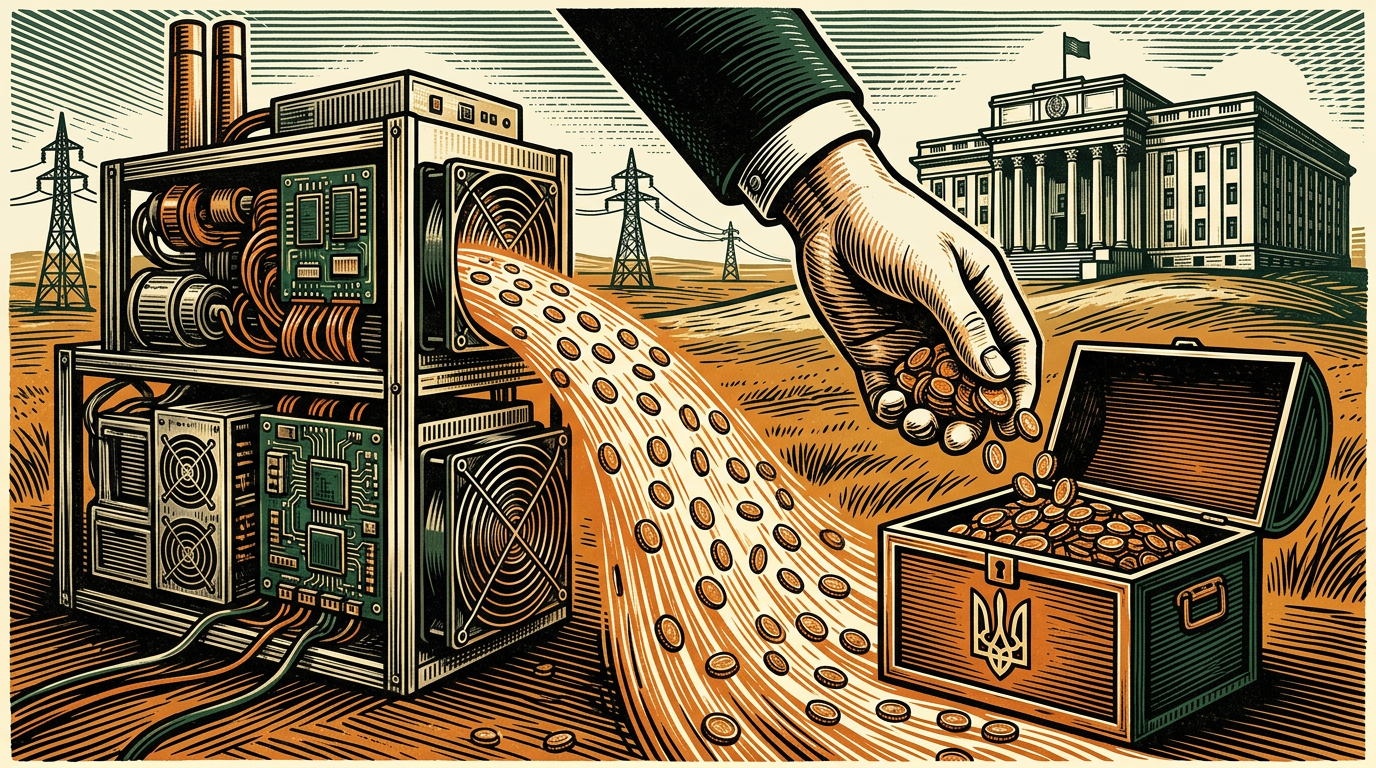
The headline writes itself: another nation-state is stacking sats. The reality is less flattering. When Kazakhstan seeds its new national reserve, it will not buy a single coin. It will take 10% of what its largest miners produce, in kind, as the price of subsidized power. That is not conviction. It is a royalty.
Kazakhstan is not alone in the maneuver, only the latest. Oman moved to pool its miners under state coordination. Pakistan has earmarked surplus power to feed state-linked mining rather than private operators. The common thread is a government that wants bitcoin on its balance sheet without paying the market price for it — and has found that the cheapest supplier is the miner already operating inside its borders.
A bought reserve and an extracted one look identical on a spreadsheet and behave nothing alike under stress. El Salvador bought its coins; Bhutan mined its own with sovereign hydropower and kept them. Both own their bitcoin outright, with no counterparty and no strings. A reserve funded by a tithe on private miners is a different animal: it depends on a policy that a future administration can revoke, contracts that can be left to expire, and an industry that can pack up its containers and leave for a friendlier jurisdiction.
The off-switch is the whole point. Coins accumulated through coercion can be un-accumulated by decree — and a reserve that can be switched off provides none of the credibility a sovereign bitcoin holding is supposed to signal. Markets should price a mined-in-kind reserve as what it is: revenue policy wearing a monetary costume.
There is a second reason to withhold applause. These schemes concentrate power — literally. Kazakhstan’s 150-megawatt threshold hands subsidized electricity and state protection to a handful of industrial giants while smaller operators get nothing. The result is hashrate centralization under state incentive, in a country that already ranks among the top five mining jurisdictions on Earth. A government that can grant “strategic” status can also withdraw it, which makes every qualifying miner a tenant of the state.
None of this means the trend is bearish for bitcoin. More sovereigns touching the network, however cynically, still normalizes it. But readers deserve the honest frame. When a government announces it is building a bitcoin reserve, ask one question: did it buy the coins, or did it take them? The answer tells you whether you are watching conviction or collection.
Why it matters: a sovereign that mines your reserve by taxing miners has built a revenue stream, not a monetary anchor — and the difference shows up the moment the politics change.
Opinion. Draws on the Kazakhstan Resolution No. 638 reporting and the broader pattern of state-directed mining in Oman and Pakistan; comparisons to El Salvador and Bhutan are the author's framing.
Free. Five minutes. No hype.
Subscribe free