 The Bitcoin Beacon
The miner pledged 18,750 BTC — about $1.2 billion — rather than sell, betting it can out-earn the interest.
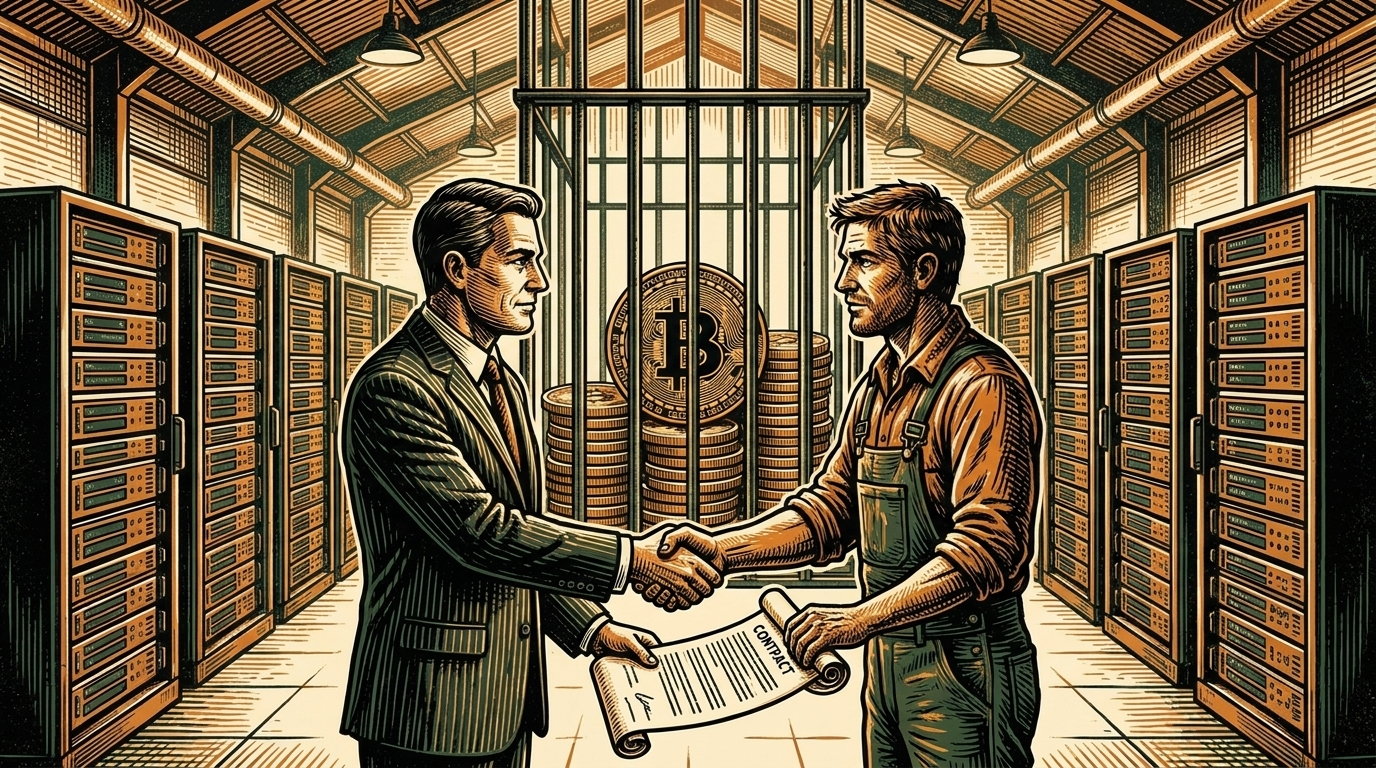
Faced with a choice between selling bitcoin and borrowing against it, the miner MARA Holdings chose to borrow. The company pledged 18,750 BTC — worth roughly $1.2 billion — as collateral for $600 million in new debt arranged with Coinbase Credit and Two Prime. The loan is a bet that the treasury it is protecting will out-earn the interest on the money raised against it.
The structure is telling. Pledging $1.2 billion in bitcoin to borrow $600 million is a 50% loan-to-value ratio, conservative enough to survive a sharp drawdown without an immediate margin call. MARA keeps its coins, keeps any future upside, and gets cash to fund operations and expansion — all without selling into a soft market.
For a bitcoin-heavy company, selling coins is a one-way door: it crystallizes a tax event and permanently shrinks the balance sheet the whole strategy is built on. Borrowing keeps the stack intact. If bitcoin appreciates, the collateral grows while the debt stays fixed; if the business generates enough cash to service the loan, the coins are never touched. The risk is the mirror image: a deep, sustained price drop can force top-ups or liquidation at the worst possible time.
That MARA can do this at all reflects how far the market around miner finance has matured. Coinbase Credit and firms like Two Prime now run institutional bitcoin-backed lending desks with the plumbing to price, custody, and margin a billion-dollar pledge. Two years ago a miner in a downturn sold coins; today it can post them as collateral instead.
The timing is the story. This summer several corporate holders ran the treasury playbook in reverse: Strategy paused buying and sold coins to buy back preferred shares, and other firms trimmed outright. Against that backdrop, one of the largest public miners choosing to leverage rather than liquidate is a signal about conviction at the production end of the industry. The companies that make bitcoin are, for now, more reluctant to part with it than some of the companies that merely hold it.
It is not risk-free conviction. Debt secured by a volatile asset cuts both ways, and a miner already exposed to bitcoin’s price through its revenue is doubling down by borrowing against its reserves. If hashprice and bitcoin fall together, leverage stops being clever. MARA is wagering that its cash generation and the coin’s trajectory both hold.
Why it matters: when miners borrow against their coins instead of selling them, bitcoin’s largest producers are voting to keep supply off the market.
Loan terms (18,750 BTC pledged, ~$1.2B value, $600M debt, Coinbase Credit and Two Prime) are as reported by TFTC on August 9, 2026; figures may be revised as the companies disclose details. Not investment advice.
Free. Five minutes. No hype.
Subscribe free