 The Bitcoin Beacon
After scammers used the kiosks to drain nearly $1 million from residents, most of them seniors, the state switched the machines off on August 1.
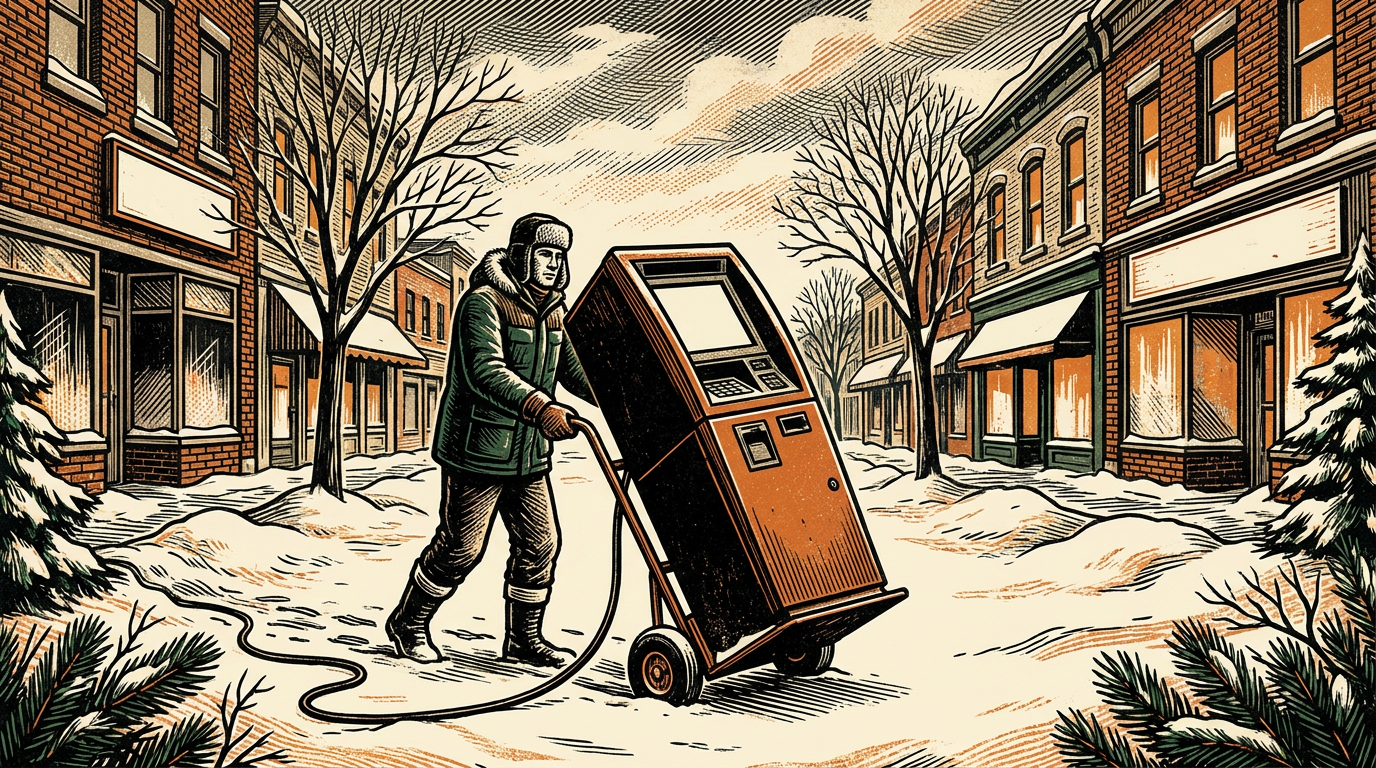
On August 1, Minnesota became the third American state to switch off cryptocurrency ATMs. A new law, SF 3868, signed by Governor Tim Walz in May, bars anyone from installing, operating or maintaining a virtual-currency kiosk anywhere in the state. Machines already lodged in the state’s gas stations and convenience stores had to go dark by August 1 and must be physically removed by December 31.
The trigger was fraud, not ideology. State officials tied roughly $1 million in scam losses to crypto kiosks between 2023 and 2025, with older residents bearing the brunt. Consumer advocates and the Department of Commerce had pushed for the ban after a run of cases in which victims were talked, step by step, into feeding cash into a machine on a stranger’s instructions.
The kiosks are a near-perfect instrument for one particular con. A caller poses as a government agent, a tech-support rep or a relative in trouble and manufactures urgency — an arrest warrant, a hacked account, a grandchild in jail. The victim is told to withdraw cash, drive to a specific kiosk and deposit it, scanning a QR code the scammer supplies. That QR code is the scammer’s wallet. Once the cash becomes bitcoin and lands there, it is gone: irreversible, pseudonymous, and usually offshore within minutes. High fees and thin identity checks made the machines, in the state’s telling, a laundering chute dressed up as a convenience.
SF 3868 is sweeping. It prohibits operating a virtual-currency kiosk in Minnesota, sets the August 1 shut-off and the December 31 removal deadline, and requires operators winding down to make customers whole first: anyone owed money or coins can choose a payout in US dollars at market value or a transfer to a wallet they name. Earlier drafts floated softer measures — daily transaction caps, mandatory fraud warnings, refunds for first-time victims — but lawmakers chose prohibition.
Minnesota joins Tennessee and Indiana, which enacted full bans earlier, while a longer list of states has reached instead for transaction limits, fee caps and refund rules. The federal picture is patchier still, which has left the machines to a state-by-state reckoning.
Here is the tension worth naming. Bitcoin ATMs are, for a slice of users, a genuinely useful on-ramp — a way for the unbanked or cash-preferring to turn paper money into bitcoin without a bank account or an app-heavy sign-up. The very properties that make them useful, instant and light on identity checks, are what make them ideal for coercive scams. The machine cannot tell a first-time buyer from a victim following a voice on the phone.
So the fight is not really about bitcoin; it is about consumer protection at the on-ramp. A ban ends one fraud vector cleanly, and Minnesota’s loss figures are real. It also removes a licensed, oversight-bound cash on-ramp for legitimate users, who will migrate to exchanges, peer-to-peer trades or kiosks across the state line — some safer, some not. The machines that vanish were the ones the state could actually regulate.
Why it matters: the cash-to-bitcoin kiosk is both an on-ramp for the underbanked and a favourite tool of scammers — and a blunt ban trades one problem for another rather than teaching newcomers how to buy safely.
Editor’s note: loss figures are Minnesota state estimates. Virtual-currency kiosks dispense several cryptocurrencies, but bitcoin is the primary asset bought and the one named in most scam reports. Nothing here is financial advice.
Free. Five minutes. No hype.
Subscribe free