 The Bitcoin Beacon
States are learning to hold the hardest money ever made — and to stand between it and everyone else. That is not the revolution; it is the counter-move.
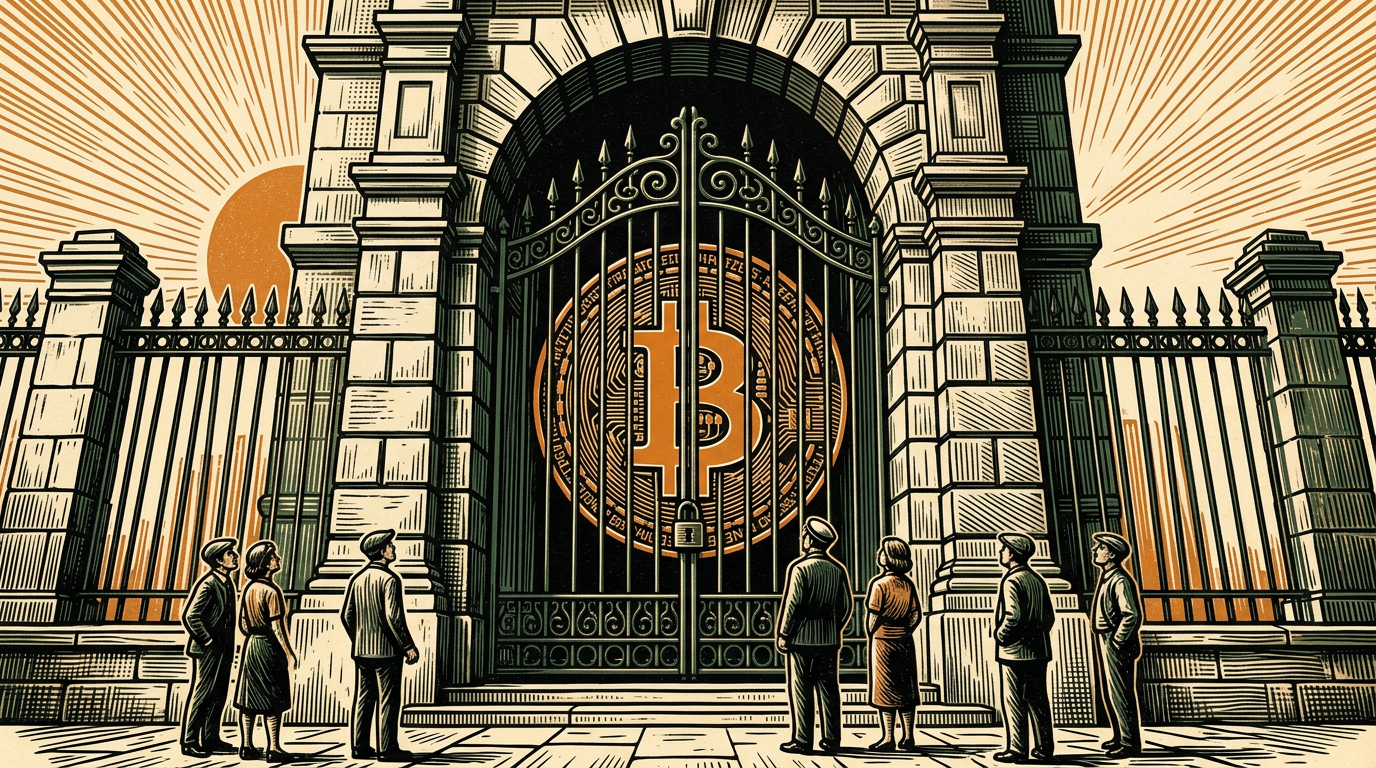
Read the month’s nation-state bitcoin news back to back and a pattern jumps out. Kazakhstan will pocket 10% of everything its licensed miners produce, feeding a national reserve. Bhutan handed part of its treasury to a Toronto asset manager. Oman routes its miners through a mandatory state pool. Every one of these was reported as “bitcoin adoption.” Every one of them is a government putting itself between bitcoin and the people who might otherwise hold it.
That is worth naming, because “adoption” is doing a lot of quiet work in those headlines. Bitcoin’s whole proposition is that it is a bearer asset: whoever holds the keys holds the money, with no custodian, no permission, no counterparty. The state versions on offer this month keep the asset and discard the property that made it interesting.
Look at where the keys end up. Kazakhstan’s reserve accumulates coins the citizen never touches. Bhutan’s stack sits with a regulated manager, not in a Bhutanese’s wallet. Oman’s pool means the sultanate, not the miner, sets the terms of participation. In each case the government has discovered that it can enjoy bitcoin’s scarcity and hardness as a reserve asset while denying its most disruptive feature — self-sovereign ownership — to everyone else.
This is not hypocrisy so much as strategy. A state has every incentive to want a hard, apolitical reserve asset for itself and to prefer that its citizens keep transacting in the currency it controls. Bitcoin-the-reserve and bitcoin-the-freedom-money point in opposite directions, and governments have figured out they can buy the first without conceding the second.
A bitcoin the state holds for you is just a gold certificate with better marketing.
There is a real case for the other side. A national reserve that holds bitcoin — even in custody — is a government admitting, in the most credible way it can, that the asset is sound. Sovereign demand deepens liquidity, funds infrastructure, and drags legitimacy toward bitcoin that grassroots users alone could not. Bhutan hiring auditable professionals is arguably more responsible than a minister holding a nation’s keys on a laptop. And a Kazakh reserve seeded by domestic mining is less market-disturbing than a state buying on the open market with public money.
All true. Exposure at the top can coexist with possession at the bottom; the two are not mutually exclusive. A country can hold bitcoin in a fund and let its citizens self-custody freely. The problem is that this month’s stories are almost entirely the first kind, and almost none of them the second.
So here is the test to apply the next time a government “adopts” bitcoin: does the policy put more keys in citizens’ hands, or fewer? A legal-tender law that lets a street vendor accept sats into a wallet she controls is adoption. A reserve that skims mined coins into a state vault, or a treasury parked with a manager, is accumulation — a state building a position, not a people gaining an exit.
Both will keep getting called the same thing. They are not. One hands you the keys; the other admires the asset through the bars of a vault you will never open. Watch which one your government is actually building.
The Take is signed opinion from the Beacon newsroom, built from the reporting linked above. Reasonable readers will disagree; nothing here is financial advice.
Free. Five minutes. No hype.
Subscribe free