 The Bitcoin Beacon
Cheap coal power for a cut of the coins. A rule that took effect this week turns the country’s miners into the funding source for a sovereign bitcoin stack.
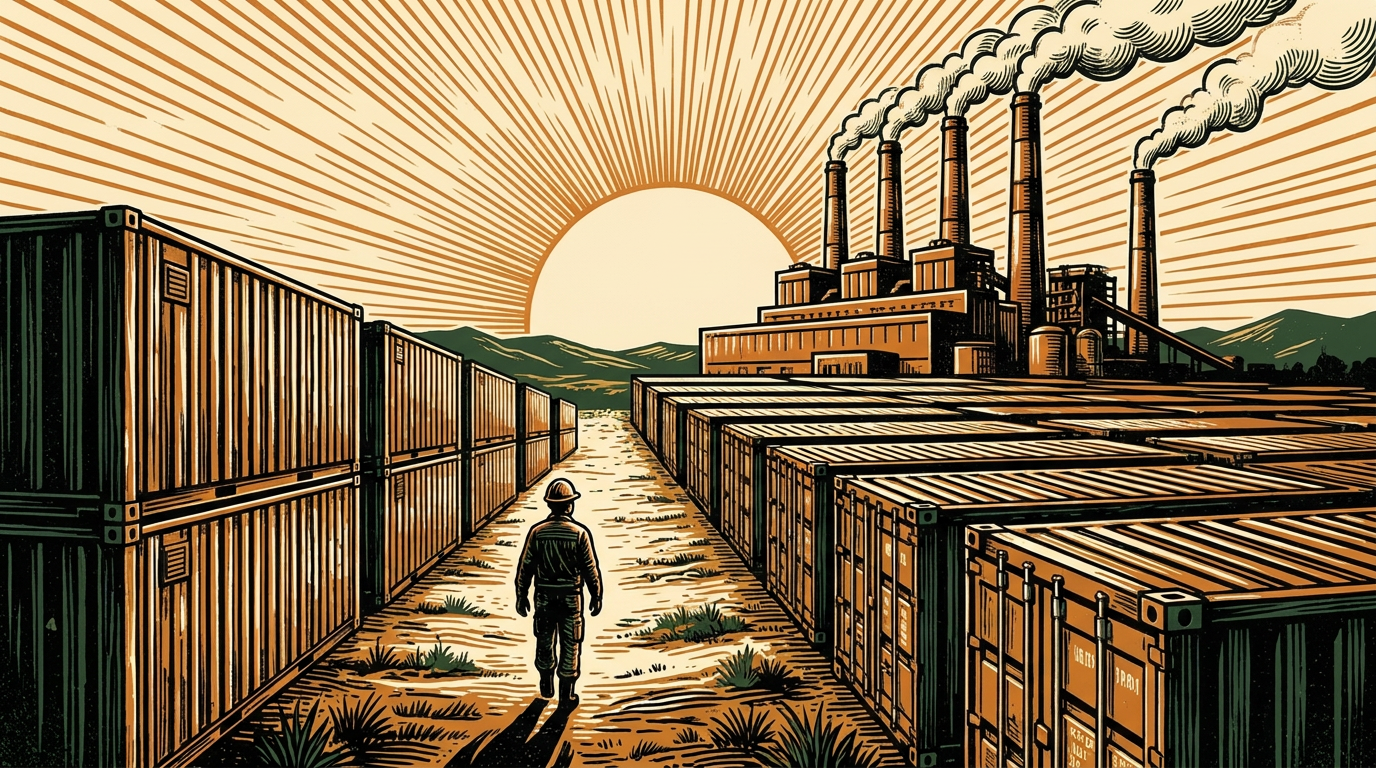
Kazakhstan has been one of the world’s biggest bitcoin-mining countries for years, ever since China’s 2021 ban sent rigs streaming across the border. As of August, it has a new demand for the miners it hosts: hand over a tenth of what you produce, and the state will keep it.
Under Government Resolution No. 638, signed into motion by a presidential decree on July 7 and effective August 1, approved miners must transfer 10% of their net monthly bitcoin production to a new National Strategic Crypto Reserve. In return, they receive something scarce and valuable: guaranteed, capped electricity prices on 10-year contracts.
The power comes with an address. The initial allocation is 300 megawatts drawn from Ekibastuz GRES-1, one of the country’s largest coal-fired plants, in the northern Pavlodar region. Qualifying miners buy directly from the producer at capped rates, bypassing the distributors that have squeezed margins across the industry.
Access is not open to all. The eligibility bar is deliberately high: a miner must own a data center of at least 150 MW and run hardware rated at a minimum of 150 terahashes per second per unit. This is a policy written for industrial operators, not hobbyists — and it hands the largest players a durable cost advantage in exchange for their tithe.
A state that cannot easily buy bitcoin on the open market can mine it — using other people’s machines, on its own grid.
Building a bitcoin reserve by buying coins draws attention, moves markets, and spends hard currency a country may not have. Building one by skimming domestic production does none of those things. Kazakhstan’s resolution defines the reserve as a vehicle that can hold digital assets, derivatives tied to them, and shares in companies that build or invest in crypto — a sovereign fund seeded not with cash but with hashrate.
For the state, the appeal is neat. The coal is already burning; the miners are already here; the reserve fills quietly, block by block, without a single line item in the budget. It also gives Astana a formal claim on an industry that has drifted between tolerated and targeted, depending on the year and the state of the grid.
Ten percent is a real tax, and it lands on top of a brutal year for mining economics: a post-halving block subsidy, hash price near multi-year lows, and relentless competition from AI data centers bidding up power everywhere. Whether the capped Ekibastuz rate offsets the tithe depends entirely on the number in the contract — and the state sets that number.
There is a decentralization question too. Rewarding only 150 MW-plus facilities concentrates Kazakh hashrate in a few industrial hands under state contract, the opposite of the distributed ideal. And coal is coal: the reserve is being seeded by one of the more carbon-heavy corners of global mining, a fact that will follow any “green bitcoin” framing Astana might prefer.
Two things. First, uptake: how many operators actually sign the 10-year contracts once they run the math on the tithe versus the capped rate. Second, imitation. Kazakhstan is not the first state to route miners through a mandate — Oman built a mandatory national pool this year — but a production tax feeding a sovereign reserve is a cleaner template than most. If it works, other grid-rich, cash-poor states will notice.
Why it matters: it is the clearest model yet for a government to accumulate bitcoin without buying it — by taxing the machines that make it.
Editor’s note: figures are as stated in Resolution No. 638 and contemporaneous reporting; the capped electricity rate for participating miners was not public at press time. Nothing here is financial advice.
Free. Five minutes. No hype.
Subscribe free