 The Bitcoin Beacon
A rule change and a no-action letter let funds earn income on their bitcoin. The CME is going around the clock, too.
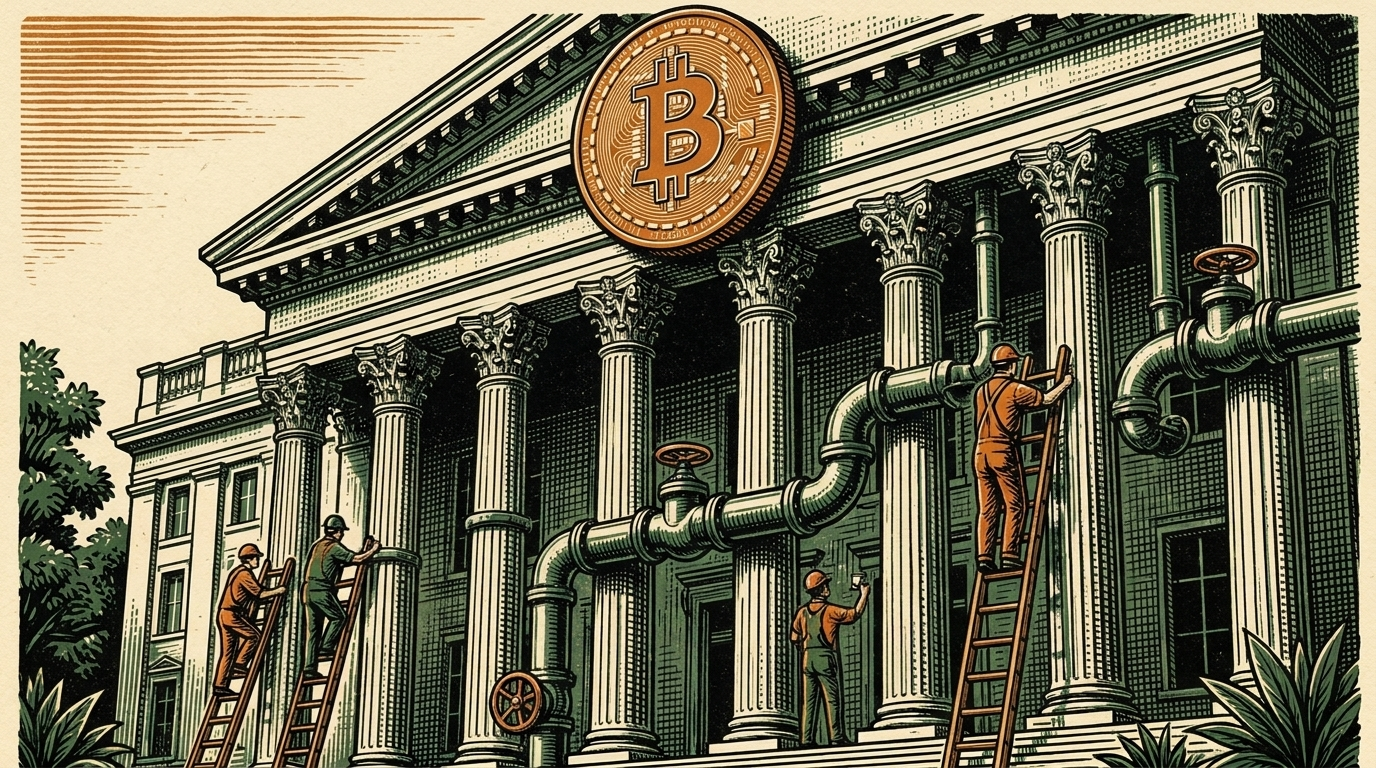
Two years after spot bitcoin ETFs arrived, Wall Street is still laying pipe. This week the Securities and Exchange Commission approved a rule change for the Cboe BZX exchange that allows a 15% net-asset-value buffer for non-eligible assets — the legal scaffolding for a bitcoin ETF that generates income rather than simply tracking a price.
Alongside the rule, the SEC issued a no-action letter shielding fund operators from enforcement if bitcoin’s price appreciation pushes a fund past passive-concentration thresholds. Together, the two moves clear a path that concentration rules had blocked.
A bare bitcoin ETF earns nothing; it holds coins. To produce income, a fund has to do something with those coins — typically lend them out, or write options (covered calls) against them. Both generate a cash stream, and both were effectively boxed out of the ETF wrapper until now. The buffer and the letter change that, opening the door to income products marketed to yield-hungry institutions and advisors.
The plumbing is being upgraded elsewhere, too. CME Group plans to launch 24/7 trading for cryptocurrency futures and options on its Globex platform in early 2026, closing the awkward gap between a spot market that never sleeps and derivatives that kept business hours. The venue already runs an average daily volume near 411,000 contracts and roughly $39 billion in notional open interest.
The backdrop is a market steadying after a wobble: U.S. spot bitcoin ETFs snapped a four-day, $526 million outflow streak with a $233 million inflow on July 30, of which BlackRock’s IBIT took $183 million — 79% of the day. Demand is back, if not roaring.
Bitcoin pays no yield on its own. Everything else is someone else’s promise.
The direction of travel is clear: bitcoin’s financial infrastructure is being made comprehensive and boring, the way equities’ is. For institutions that will only touch a regulated wrapper, that is progress. But a yield on a bearer asset is not free. It means the coins are being lent or optioned — that a counterparty now stands between the holder and the asset. The plumbing that makes bitcoin easier to own also reintroduces the intermediary risk bitcoin was designed to remove.
Why it matters: the more ways Wall Street finds to make bitcoin pay, the more the question shifts from “do you own it?” to “who is holding it for you?”
Editor’s note: rule and no-action details are drawn from market-news reporting; verify against the SEC’s and Cboe’s official filings before acting. Fund flows move daily. Nothing here is financial advice.
Free. Five minutes. No hype.
Subscribe free