 The Bitcoin Beacon
Two opposition parties named 2027 candidates who call the bitcoin strategy a fiscal failure. The daily buying continues regardless.
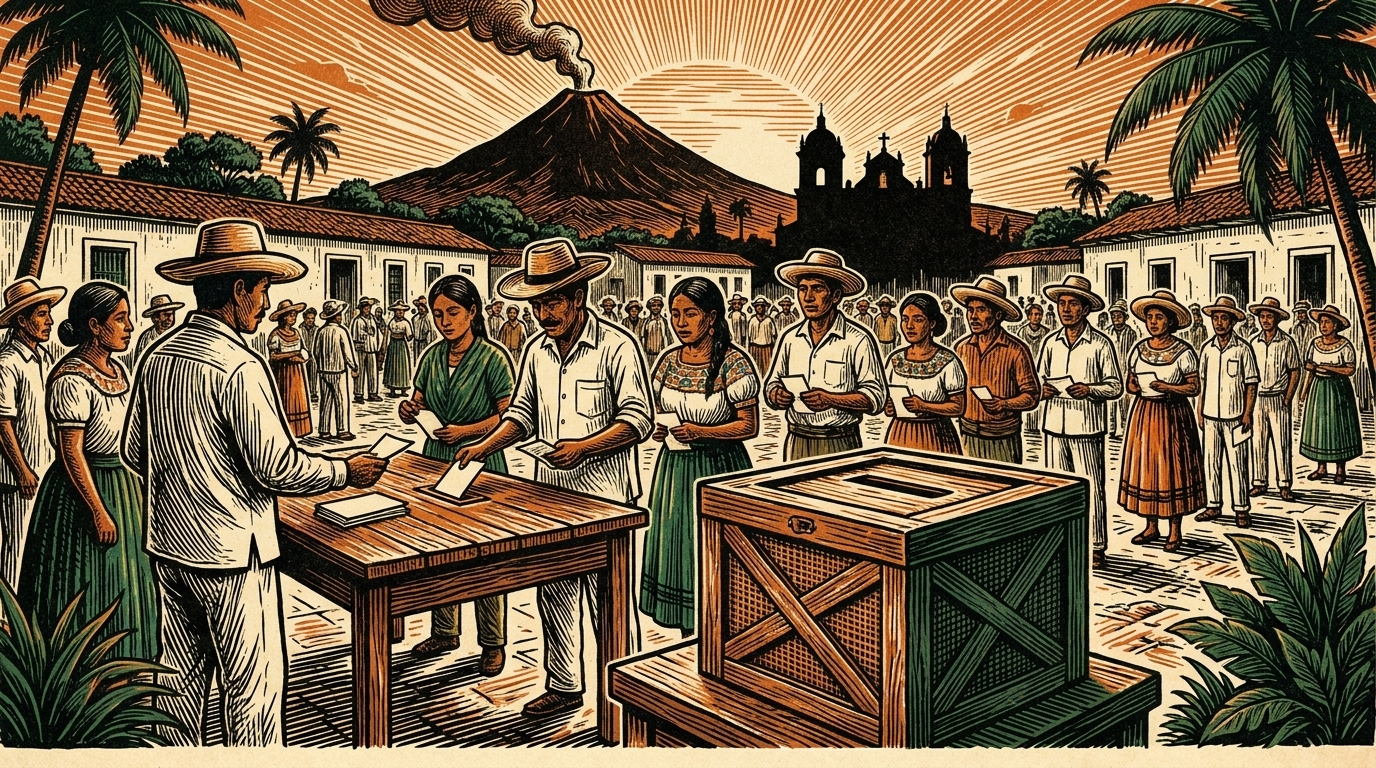
For five years, El Salvador’s bitcoin experiment has been treated as a fixed feature of the country, as permanent as its president. This week the country’s opposition began arguing otherwise. Both main parties named candidates for the February 2027 presidential election, and neither has embraced the policy that made the nation famous.
The Nationalist Republican Alliance (ARENA) chose former lawmaker Maytee Iraheta, whose all-female ticket is a first for the party. The Farabundo Marti National Liberation Front (FMLN) picked Rafael Aguirre, a physician and union leader. Both campaigns have publicly called Bukele’s bitcoin strategy a fiscal failure.
The arithmetic is daunting for the challengers. President Nayib Bukele’s Nuevas Ideas party nominated him this month for a third-term bid, with Vice President Felix Ulloa again as running mate. Bukele remains broadly popular after six years in office. ARENA holds just two seats in the Legislative Assembly; the FMLN has held none since 2024. Even a unified opposition would need a far broader coalition to unwind the strategy through Congress.
Notably, neither rival has proposed a replacement bitcoin policy. Their case is fiscal criticism, not a counter-plan — a posture that concedes how entangled the reserve has become with the state’s identity.
While the campaign takes shape, the accumulation continues. El Salvador’s Bitcoin Office reported national holdings of roughly 7,725 BTC as of July 27, up from about 7,700 a month earlier, consistent with the government’s pledge to buy roughly one bitcoin a day. More than $423 million of public funds has gone into the stack over time.
That buying persists even after a significant retreat. Following its $1.4 billion IMF agreement in February 2025, El Salvador removed the requirement that businesses accept bitcoin, effectively restoring the U.S. dollar as the currency of everyday commerce. The reserve is now the visible core of the policy — and the Fund has publicly disputed the government’s account of its daily purchases.
The vote is less a referendum on bitcoin than on the man who bought it.
The deeper significance is not that the opposition is likely to win; it probably is not. It is that a policy long treated as irreversible now carries political risk. A future government could stop the daily buys, or sell into a downturn, and the reserve’s fate would rest on an electorate rather than a decree.
That is the hazard of top-down adoption. El Salvador’s bitcoin story was built from the state outward — the Chivo wallet, the legal-tender law, the reserve — more than from merchants and households. Where adoption is organic, leaders come and go without moving it. Where it is a presidential project, the ballot box is a real variable.
Why it matters: a bitcoin policy tied to one popular leader now faces the one force that outranks him — an election.
Editor’s note: reserve totals are from El Salvador’s Bitcoin Office; the IMF disputes the government’s daily-purchase accounting. Candidate selections reflect party announcements ahead of the February 2027 vote. Nothing here is financial advice.
Free. Five minutes. No hype.
Subscribe free