 The Bitcoin Beacon
A bearer asset that suddenly pays income means someone else is holding it. That is the whole risk, rebuilt.
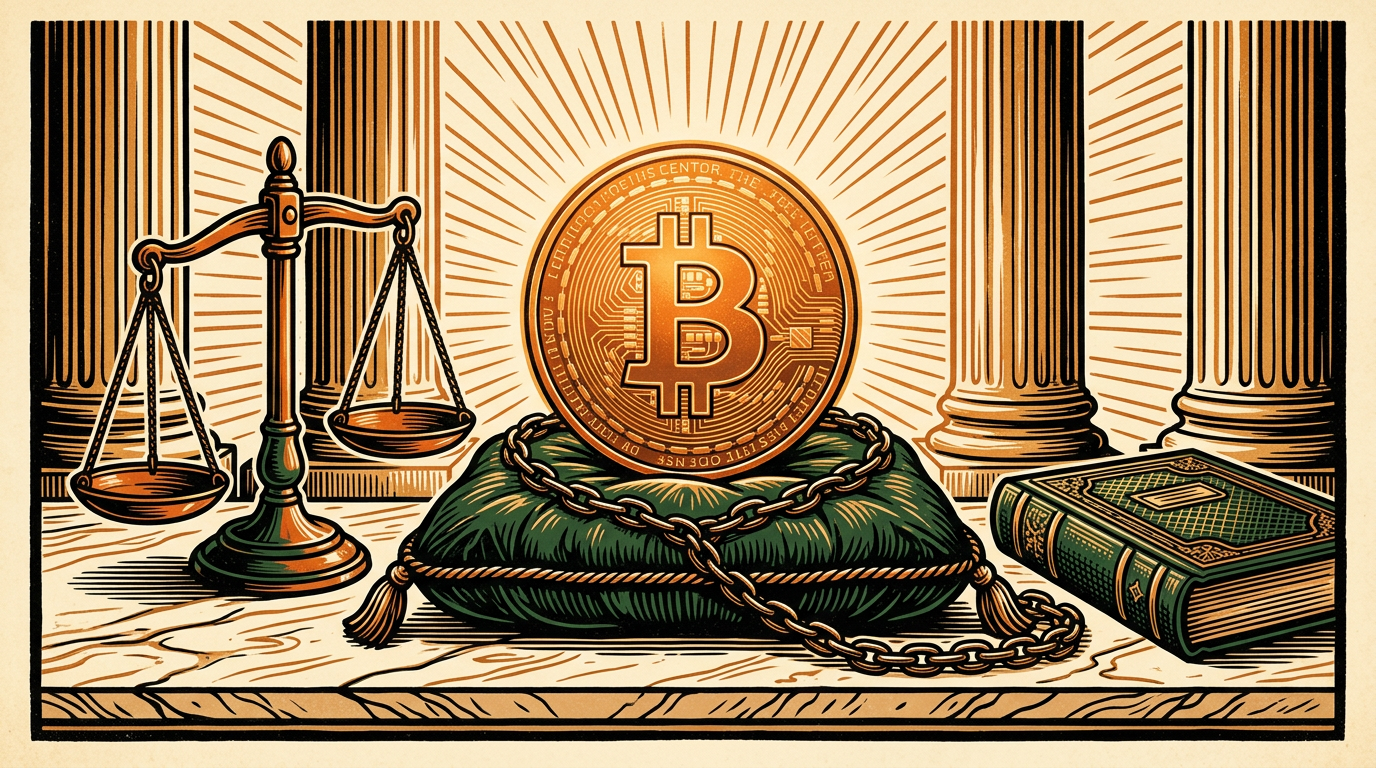
This week regulators cleared the way for bitcoin ETFs that pay a yield, and the pitch writes itself: own bitcoin, and earn on it too. Before anyone signs up, one question settles most of the argument. Where does the yield come from?
Bitcoin pays no interest. It is a bearer asset that sits and does nothing, which is the entire point — no issuer, no coupon, no counterparty. To make it pay, a fund or a platform has to do one of two things with your coins: lend them out, or write options against them. Both produce a cash stream. Both mean the coins, or the claim on them, are now in someone else’s hands.
We have watched this film. The 2022 graveyard — Celsius, BlockFi, Voyager — was built entirely on “earn on your bitcoin.” Depositors chased a few percentage points and discovered, when the counterparties failed, that a yield is a receipt, not a coin. And the other bookend arrived this very week: the Coldcard firmware exploit, a reminder that not-your-keys and not-your-node both bite. Custody risk and counterparty risk are two doors into the same room.
A yield is a receipt. A coin is a coin. They are not the same thing.
The uncomfortable pattern is that financialization re-imports the precise risk bitcoin was invented to delete: trusting an intermediary to be solvent and honest. Each wrapper — the lending desk, the options overlay, the yield ETF — is a promise layered on top of an asset whose whole innovation was needing no promises.
Now the steelman, because it is real. Not every yield is a Ponzi. A regulated, over-collateralized, transparently audited lending program can pay a genuine risk premium; disciplined covered-call writing is a centuries-old, honest strategy that simply trades away some upside for income. Institutions want cash flow, and a well-run ETF is a great deal safer than an offshore “earn” account ever was. For a large holder who will never self-custody, a modest, clearly disclosed yield may beat leaving coins idle at a custodian anyway. And the institutional bid that these products channel is part of what underwrites the price grassroots users depend on. Exposure and possession are rungs on the same ladder.
All true — and none of it repeals the first question. A yield-bearing bitcoin product is only as sound as the counterparty generating the yield, and the marketing rarely leads with that. So read the mechanics before the headline rate. Ask who holds the coins, what they do with them, and what happens if that party fails.
Own bitcoin because no one else has to keep a promise for it to be worth something. The moment it starts paying you interest, someone does — and it is no longer only yours.
Opinion. Analysis, not financial advice. The counterparty and product risks described here are general; individual products vary and should be evaluated on their own disclosures.
Free. Five minutes. No hype.
Subscribe free