 The Bitcoin Beacon
Ghana passed its first virtual-asset law in December, and now the Bank of Ghana and the SEC are moving a fast-growing, mostly informal bitcoin market under supervision.
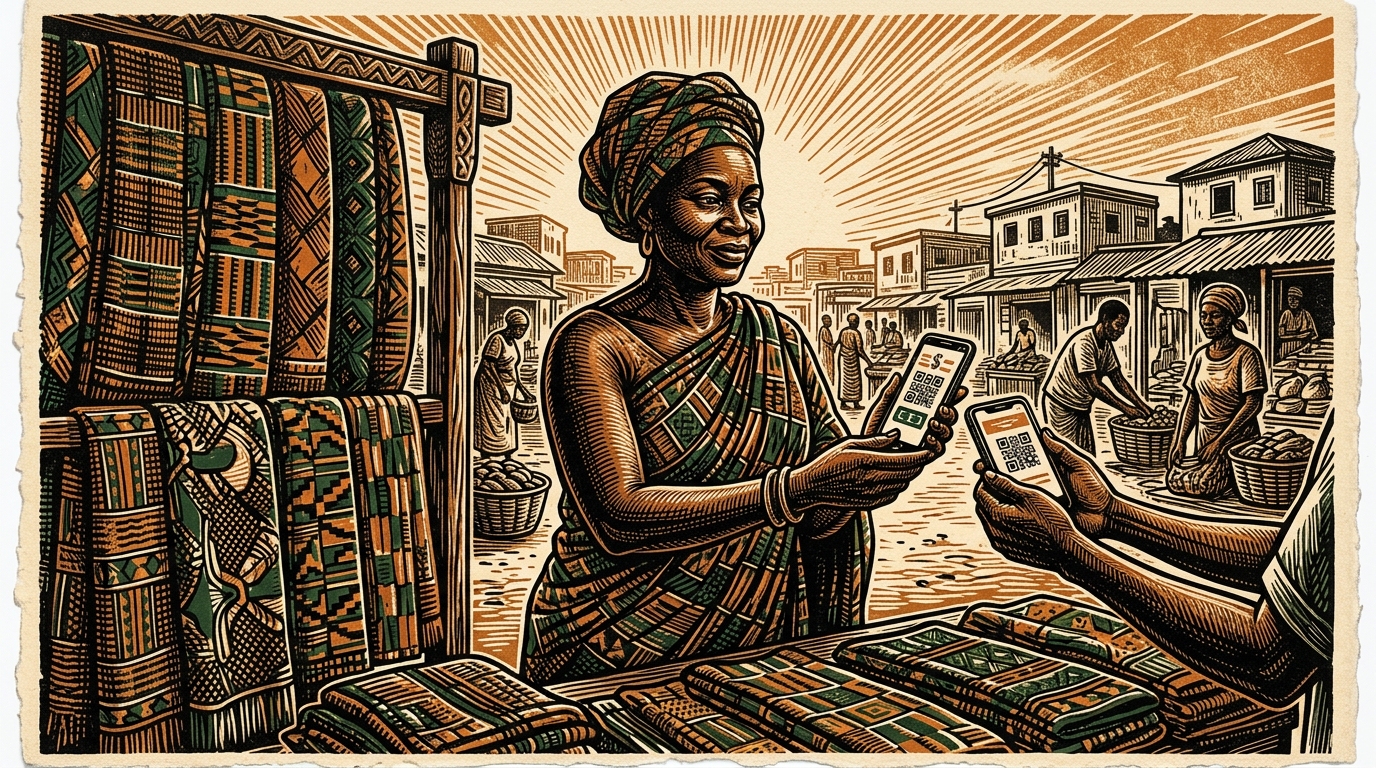
Ghana is doing what a growing list of African states have done: writing the rulebook after its citizens already adopted bitcoin. Parliament passed the country's first comprehensive virtual-asset law in December, and the Bank of Ghana has since ordered every crypto firm serving Ghanaians to register — the opening move in a phased shift from an unregulated market to a licensed one.
Ghana's Parliament passed the Virtual Asset Service Providers (VASP) Bill on December 22, 2025, creating the country's first legal framework for the sector. On March 5, 2026, the Bank of Ghana issued a mandatory notice requiring all VASPs operating in its jurisdiction — including firms serving Ghanaian residents through digital platforms from abroad — to register with the central bank.
Regulators have been careful to draw a line: registration is not a license. It does not, on its own, confer legal recognition or approval to operate. It is a census and a compliance on-ramp, meant to give the Bank of Ghana and the Securities and Exchange Commission a map of who is active before a phased licensing process begins. The two bodies are coordinating oversight of the market between them.
The pressure is coming from below. Ghanaians have turned to bitcoin and stablecoins against a cedi that has lost ground, for remittances that traditional channels tax heavily, and for savings that a bank account struggles to protect. A market that size is impossible to ignore and, from a regulator's chair, impossible to leave unsupervised: it carries consumer-protection risks, fraud exposure and money-laundering obligations that a formal framework is meant to address.
The rules are not summoning the market into being. They are catching up to one that already exists.
Two qualifiers matter. First, the framework covers virtual assets broadly, not bitcoin alone, and much of Ghana's on-the-ground volume runs through dollar-pegged stablecoins used for saving and cross-border payments. Bitcoin is the anchor asset and the on-ramp, but it shares the market. Second, registration is an early step; the real test is whether the phased licensing that follows creates room for local innovators or, as industry voices in several African markets have warned, quietly favors large foreign platforms that can afford the compliance bill.
Ghana's approach echoes a pattern the Beacon has tracked across the continent this month, from Kenya to Nigeria: recognition, then supervision, then licensing — regulation arriving as an acknowledgment of adoption rather than a permission for it.
With a law on the books and a registration mandate live, Ghana has begun formalizing one of West Africa's busiest bitcoin markets. The direction is set; the open question is whether licensing widens the door or narrows it.
Editor's note: adoption and volume figures are third-party estimates. Ghana's framework covers virtual assets broadly; bitcoin is one of them. Nothing here is financial advice.
Free. Five minutes. No hype.
Subscribe free