 The Bitcoin Beacon
The company that made "buy bitcoin, always" a corporate identity spent last week buying back its own stock instead — and stockpiling cash.
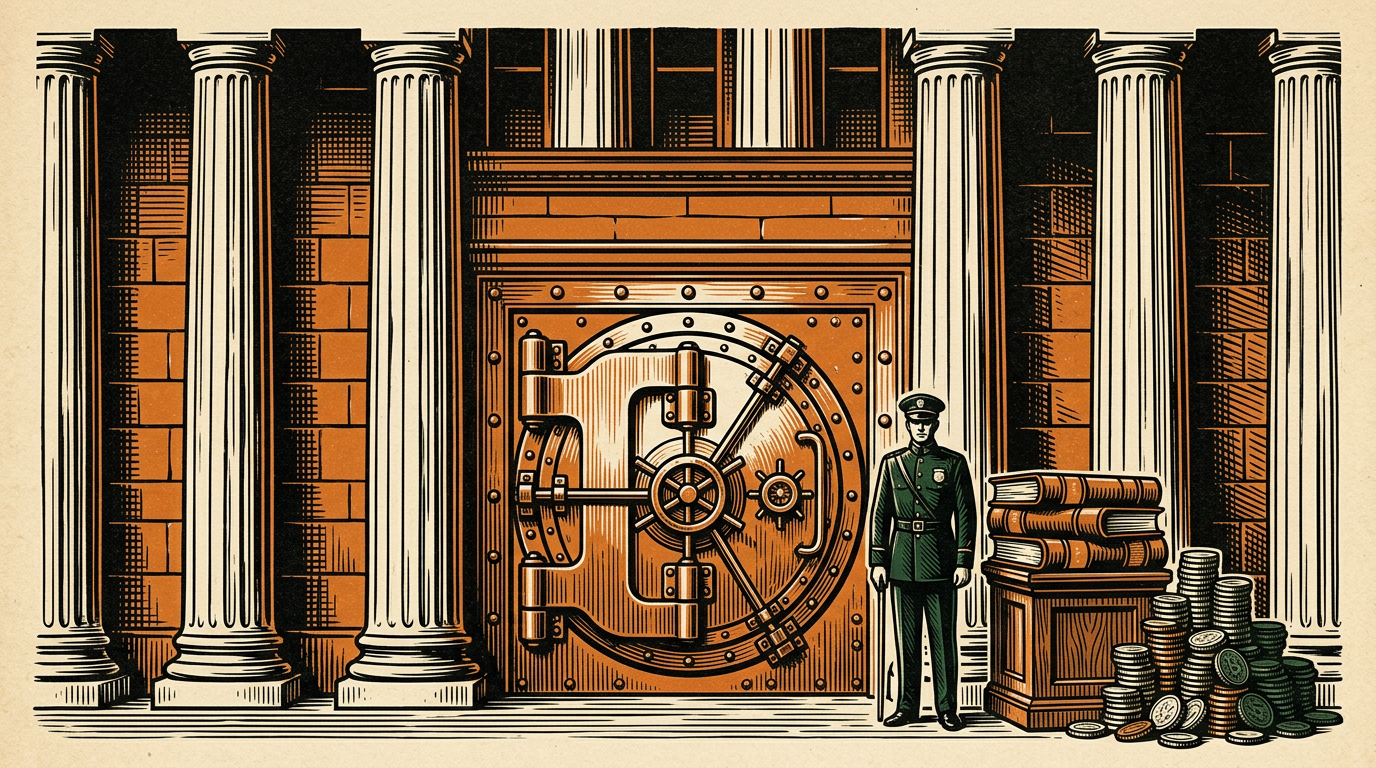
For five years, the most reliable sentence in corporate finance was that Michael Saylor's company would buy more bitcoin. It bought through rallies and crashes, funded by stock sales and convertible debt, and turned relentless accumulation into a brand. Last week it did not buy a single coin — and the reason is the story.
In a Form 8-K filed July 27, 2026 covering July 20–26, Strategy Inc. reported zero bitcoin purchases, leaving its holdings flat at 843,775 BTC. Instead of adding, the company spent $25 million buying back 288,930 shares of its own Variable Rate Series A Perpetual Stretch Preferred Stock (STRC), and disclosed a fiat reserve of roughly $3.75 billion — enough, it said, to cover dividend payments and debt servicing for more than two years.
Strategy's model has always had two engines. One is the bitcoin on its balance sheet. The other is the machinery it built to finance those purchases: layers of preferred stock and convertible notes that pay dividends and interest. In a bull market, the second engine feeds the first — issue paper, buy coins, repeat. When markets tighten, the obligations remain even if the buying stops.
That is what this filing shows. Rather than expand the pile, the company is shoring up its ability to pay what it already owes: retiring some of its own preferred stock at a discount and holding a multi-year cushion of cash against dividends and debt. It is the behaviour of a firm optimising its capital structure, not one pressing an accumulation thesis.
The perpetual buyer has, for now, become a careful custodian of its own liabilities.
Strategy is the largest corporate holder of bitcoin on earth, and for years its buying was read as a proxy for institutional conviction. A pause, then, is a data point about the environment more than about bitcoin itself. It arrives in a week of restrictive central-bank signals and a coin-flip US rate decision, conditions under which a zero-yield asset held with borrowed money looks less comfortable and balance-sheet discipline looks wiser.
It would be easy to over-read this. The company has paused before and resumed; it has not sold, and 843,775 BTC is not a position built by someone planning to exit. But the symbolism cuts against the "buy forever, at any price" caricature. Even the most committed corporate holder manages its financing like a company, not a slogan — and when the cost of that financing rises, buying is the first thing to stop.
Bulls will note that holding steady through a tighter tape is itself a statement: no forced selling, no capitulation, just a quarter spent tending the plumbing. The bitcoin thesis for a treasury company was never that it buys every week — it was that it can hold through cycles without being forced out. On that test, a well-covered balance sheet and an untouched stack is exactly what conviction looks like when the music slows.
Strategy didn't blink on bitcoin; it blinked on buying. With holdings frozen at 843,775 BTC and cash set aside for two years of obligations, the company is signalling that in this market, defending the balance sheet beats expanding it. Whether the pause is a pause or a peak is the question the next few filings will answer.
Editor's note: figures are drawn from Strategy's own SEC filing and contemporaneous reporting. Nothing here is financial or investment advice.
Free. Five minutes. No hype.
Subscribe free