 The Bitcoin Beacon
The CEO walked as Tether's three-way bitcoin-treasury merger fell apart, and the stock dropped 18% in a single session.
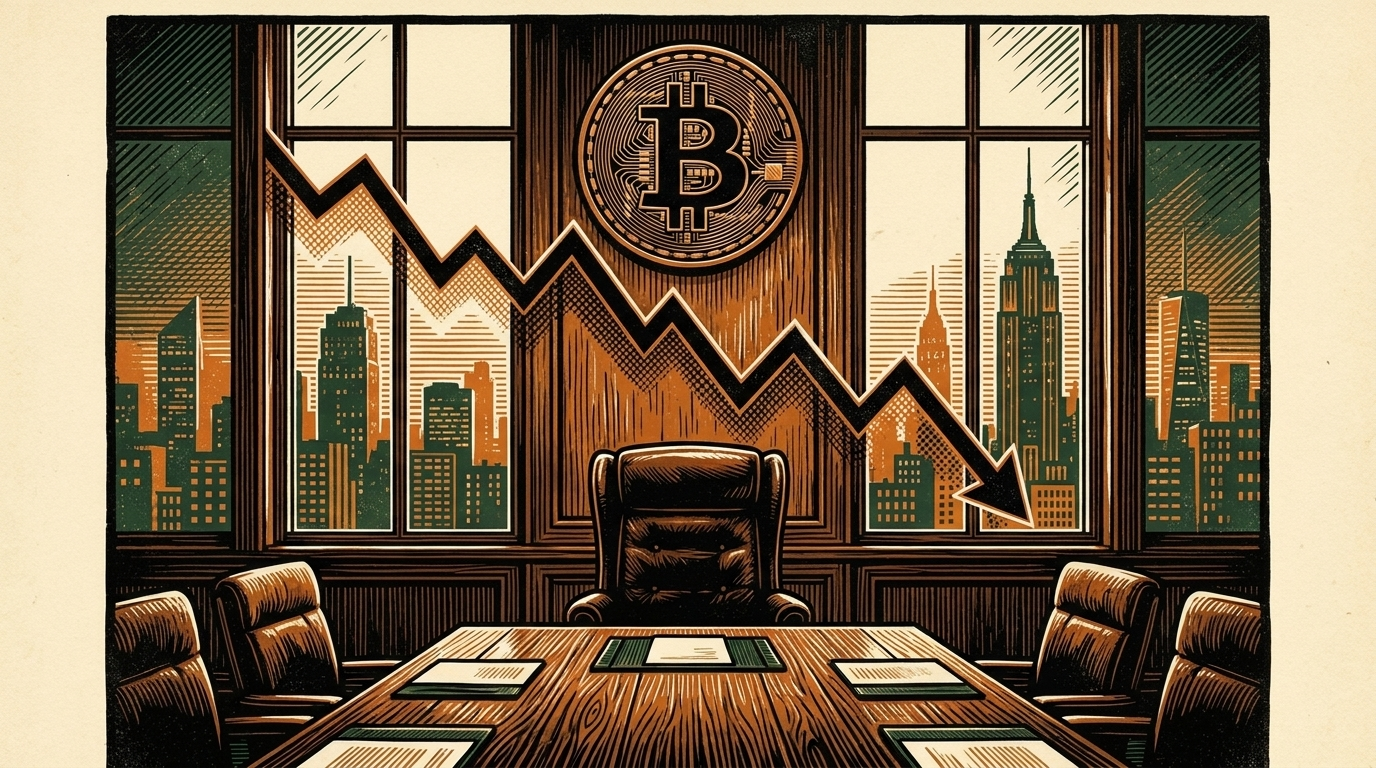
Jack Mallers built his name telling people bitcoin was money you could spend. On July 20 he walked away from the company built to hold it. Mallers resigned as CEO of Twenty One Capital, the bitcoin-treasury vehicle assembled with backing from Tether, Bitfinex and SoftBank, and the board handed the job to Raphael Zagury, founder of Elektron Energy and a former Wall Street executive.
The exit did not land alone. It arrived with the collapse of a three-way merger Tether had spent months engineering — Twenty One, Mallers's payments company Strike, and Elektron Energy — and it sent Twenty One's stock down roughly 18% in a single session, to about $4.37.
Mallers was blunt about why he left. He and the board no longer shared a vision. He wanted, in his words, "a company built with Bitcoin on its balance sheet, but also a company with Bitcoin businesses producing cash flow built alongside of it." The board wanted something cleaner: a vehicle that holds bitcoin.
That is the fault line running through the entire treasury-company boom. One camp treats the balance sheet as the product — buy coins, let the stock trade as a leveraged bitcoin proxy. The other, Mallers's camp, argues a pile of bitcoin with no operating business is a fund wearing a company's clothes.
A bitcoin balance sheet is easy. A bitcoin business is hard. The market just repriced the difference.
Whatever the governance turmoil, the holdings are real. Twenty One controls 43,514 BTC, worth roughly $2.9 billion — enough to rank among the largest public corporate holders in the world. Mallers leaves with a severance package reported at $420,455 in cash plus $1.15 million tied to a share repurchase.
Strike is now out of the merger. Twenty One and Elektron Energy said they would continue bilateral talks, a downgraded version of the sweeping combination Tether had pitched.
The backdrop is a treasury sector coming off a sugar high. For a stretch, these companies traded at large premiums to the bitcoin they held — the market paying more than a dollar for a dollar of coins on the balance sheet. As that premium compressed, the pressure moved from "how fast can you buy" to "what else does this company do."
Mallers's answer was Strike's payment revenue. The board's answer was to keep it simple. Neither is obviously wrong, but the split, the failed merger and the one-day drop are a reminder that the easy phase — issue stock, buy bitcoin, watch the premium — is over.
Twenty One still holds one of the largest corporate bitcoin stacks on earth, and that does not change with the CEO. What changed is the question investors are asking: not how much bitcoin, but what the company around it is for. Zagury inherits that question.
Editor's note: share-price and severance figures are per the sources above as of July 21, 2026; holdings are self-reported. Nothing here is financial advice.
Free. Five minutes. No hype.
Subscribe free