 The Bitcoin Beacon
As the West tightens and South Asia stalls, the Gulf keeps handing bitcoin firms the front door.
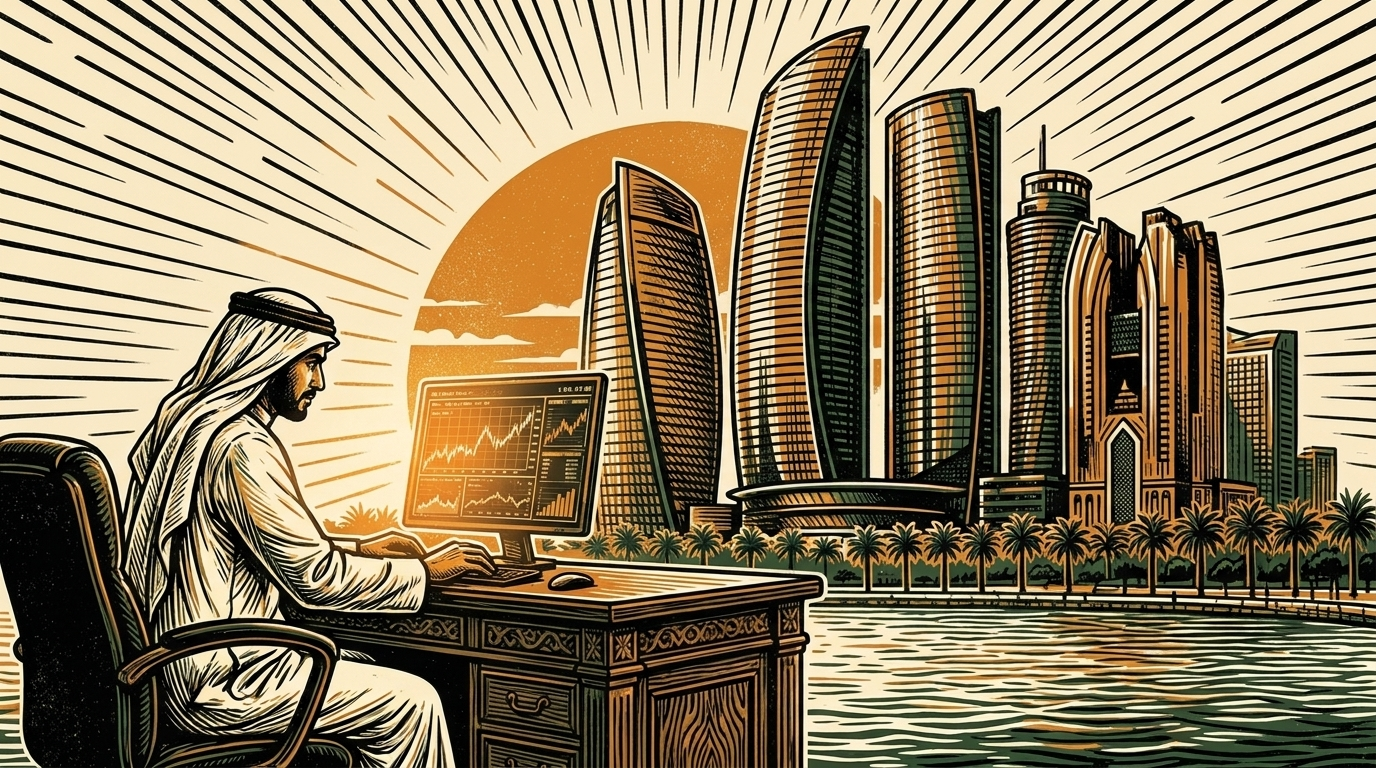
On July 7, the Middle East arm of Switzerland’s Bitcoin Suisse — BTCS (Middle East) Ltd. — received a full Financial Services Permission from the Financial Services Regulatory Authority of the Abu Dhabi Global Market (ADGM). It is a modest headline with an outsized signal: while regulators in Europe, the United States and South Asia argue over how tightly to bind digital assets, the Gulf keeps issuing clean, comprehensive licenses.
The permission completes a multi-stage process that began with an in-principle approval back in May 2025. It clears BTCS ME to offer institutional-grade custody, trading in approved digital assets, and tools for managing and hedging crypto exposure to institutional and professional clients across the United Arab Emirates, with room to support tokenized real-world assets as that market develops.
Bitcoin Suisse is not a startup chasing a permissive jurisdiction. Founded in Zug in 2013, it safeguards roughly $3.7 billion in digital assets, ranks among the world’s largest staking operators, and employs more than 200 people across Switzerland, Liechtenstein, the UAE and Bermuda. The ADGM permission joins its Swiss FINMA registration and a recent European MiCAR license — a firm collecting regulatory approvals in the very regions now tightening the screws.
Ceyda Majcen, chief executive of BTCS ME, called the approval a significant milestone in the firm’s expansion, framing it as a decade of custody and risk infrastructure arriving in one of the most active digital-asset markets in the world.
Abu Dhabi’s ADGM and Dubai’s Virtual Assets Regulatory Authority have spent three years building rulebooks explicitly designed for digital-asset firms. Dubai’s VARA has now issued its 50th virtual-asset license; the MENA region accounts for roughly 8% of global crypto trading volume, up from under 2% in 2020. The pitch is regulatory clarity as a product: come, be supervised, and serve institutions that will not touch an unlicensed venue.
Regulatory clarity, offered as a product.
The contrast writes itself. This week the Reserve Bank of India argued for prohibition and Pakistan’s top cleric declared crypto trading impermissible. The same week, Abu Dhabi handed a $3.7-billion custodian the keys to its institutional market. Capital, and the firms that hold it, tend to move toward the jurisdiction that says yes.
A license is a supply-side event, not proof of demand. ADGM’s permission tells you institutional bitcoin can now be served cleanly in Abu Dhabi; it does not tell you how much of the Gulf’s sovereign and family-office money will actually allocate. And the same clarity that attracts custodians also brings surveillance and reporting obligations that bitcoin’s more sovereignty-minded users travel to avoid. Regulated bitcoin is still bitcoin with a gatekeeper.
Bitcoin Suisse’s ADGM license is a small transaction with a clear message: the Gulf is building the regulated on-ramp for institutional bitcoin that other regions are hesitating to pour. Whether the capital follows the clarity is the next question.
Editor’s note: BTCS (Middle East) Ltd. is Bitcoin Suisse’s ADGM-licensed subsidiary; the permission covers approved digital assets broadly, of which bitcoin is the principal one. AUM (~$3.7bn) and the MENA volume share are company and industry figures as reported. Title verified: Ceyda Majcen, CEO of BTCS ME.
Free. Five minutes. No hype.
Subscribe free