 The Bitcoin Beacon
Eight years of prohibition didn’t stop Moroccans from using bitcoin. The new licensing law isn’t a change of heart — it’s an acknowledgment of defeat.
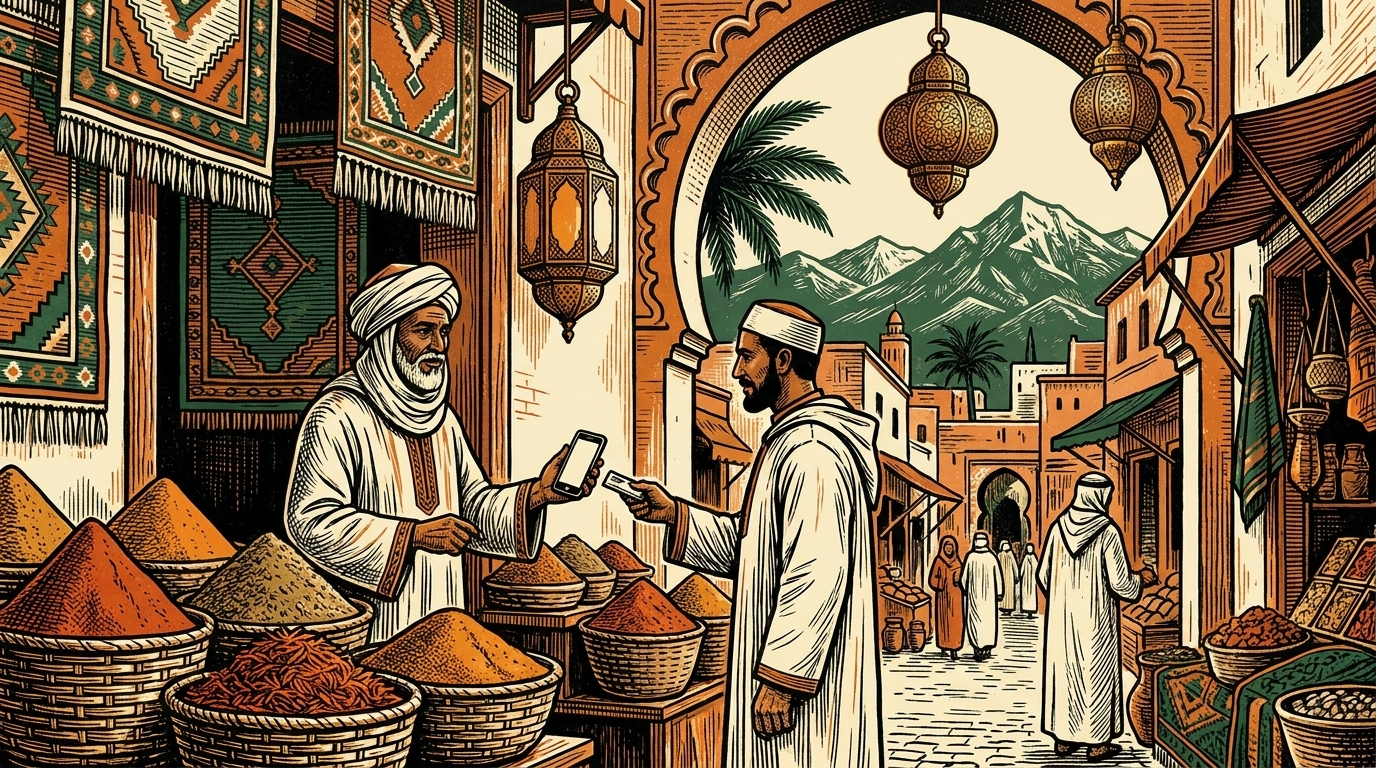
In 2017 Morocco declared crypto transactions illegal. In every year since, Moroccans ranked among Africa's most active users anyway — buying peer-to-peer, holding through the ban, treating the prohibition as weather. This year the ban gave way: under Bill 42.25, crypto-assets are recognized in law, the AMMC licenses service providers, Bank Al-Maghrib supervises exchanges, and profits pay a 15% capital gains tax.
Read the sequence honestly. The state did not decide bitcoin was good; it decided the ban had failed and unpriced. Eight years of prohibition produced no licensed industry, no consumer protection, no tax receipts — only a thriving gray market the government couldn't see.
This column watched Ghana legalize what Agbozume's villages had already built, and India tax what its tier-3 cities refused to abandon. Morocco is the third verse of the same song: adoption first, regulation after, revenue as the closing argument. Prohibition doesn't eliminate usage; it only forfeits jurisdiction over it.
A license, at this stage, is a surrender note with fees.
The steelman deserves its paragraph: bans can slow institutional adoption, and Morocco's did — no bank touched bitcoin for eight years, and ordinary users bore scam risk with no recourse. That is the actual cost of prohibition: it doesn't stop the users, it strips their protections.
North Africa is watching. Egypt still bans under a 2018 religious decree; Tunisia is drafting its own climb-down. Both will eventually discover what Rabat just admitted — the choice was never between bitcoin and no bitcoin. It was between taxed bitcoin and invisible bitcoin.
Editor’s note: opinion, built from the reporting above. Bill 42.25’s implementing regulations are still rolling out through 2026; the 15% CGT and licensed-exchange-only regime are per secondary sources — verify against the published decree before citing figures onward.
Free. Five minutes. No hype.
Subscribe free