 The Bitcoin Beacon
The company that swore it would never sell moved 3,588 coins in a week — to service the paper it sold to buy them.
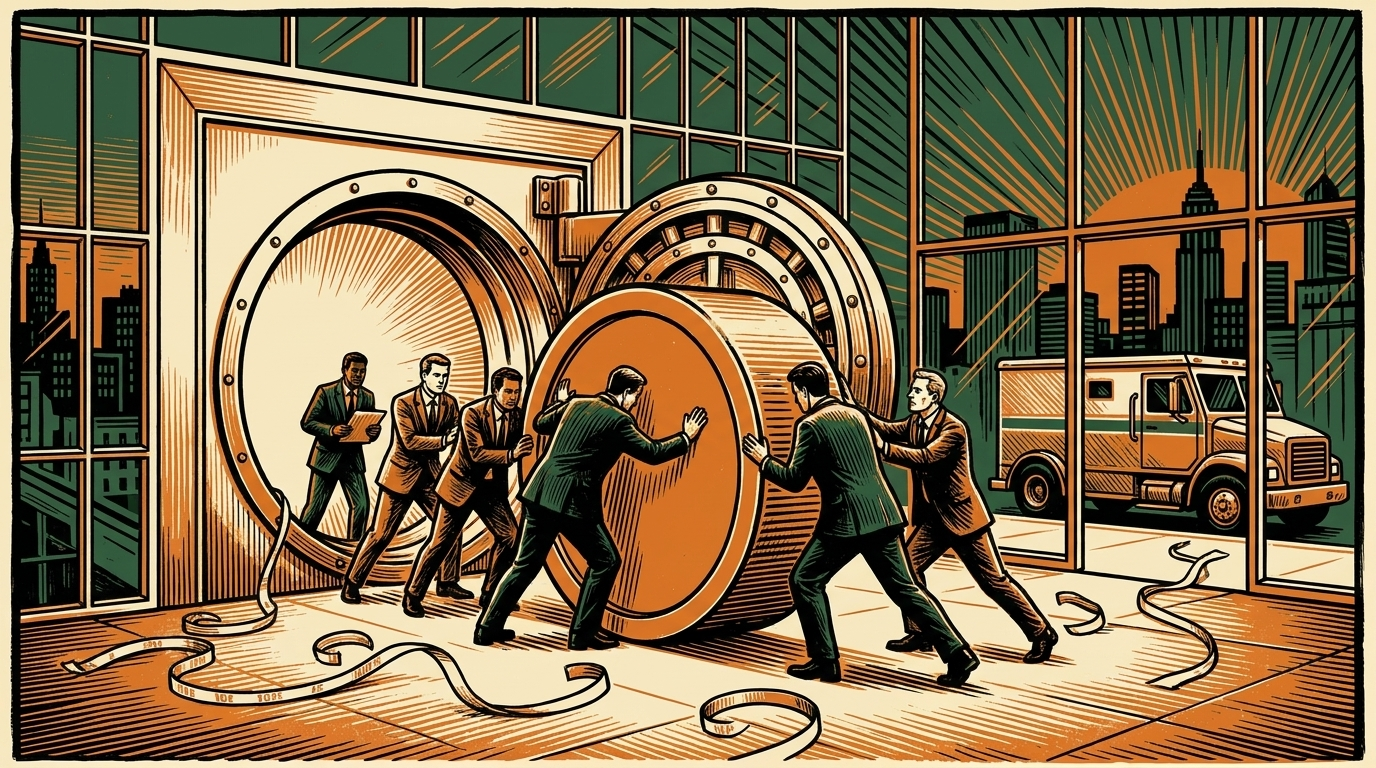
For five years Strategy had one answer to every drawdown: buy more, never sell. On Monday it filed an 8-K saying it sold — again. 3,588 bitcoin between June 29 and July 5, roughly $216 million, in two tranches: 1,363 coins at an average $59,256, then 2,225 more at $60,773.
The proceeds fund dividends on its four preferred stock series and rebuild cash to $2.55 billion. The stack now stands at 843,775 BTC.
Strategy financed its bitcoin by selling paper — preferred shares promising fixed payouts. In a rising market, new issuance covered the coupons. With the stock down and bitcoin roughly half its October peak, issuance got expensive, and the coins themselves became the funding source. Last week’s new capital framework made that policy; this week’s filing showed the pace.
The same filing projects an $8.32 billion loss on digital assets for the second quarter — nearly all unrealized — with the remaining stack’s $75,476 average cost sitting well above spot.
The market’s biggest buyer of last resort is now, some weeks, a seller.
Strategy’s coins are about 4% of all bitcoin; even modest sales register. But on-chain analysts note the realized profit-and-loss ratio just printed −0.35, its lowest since December 2022 — the depths of the FTX winter, a level that has historically marked bottoms rather than breakdowns. And smaller treasuries kept buying through the week: Strive added coins to reach 19,882.
Bitcoin treasuries were sold as a one-way ratchet. Strategy is demonstrating that the reverse gear exists — and that using it, in a drawdown, is what servicing leverage looks like. Every copycat’s downside case is now running live, in public, quarterly.
Editor’s note: figures are from the July 6 Form 8-K. The −0.35 realized profit-and-loss reading is an analyst-derived on-chain metric reported by Bitcoin.com News — verify before quoting elsewhere.
Free. Five minutes. No hype.
Subscribe free