 The Bitcoin Beacon
A 30% tax, a 1% levy on every trade, and now direct reporting to the tax office. India still tops the world for grassroots crypto activity — and its government is quietly eyeing a reserve.
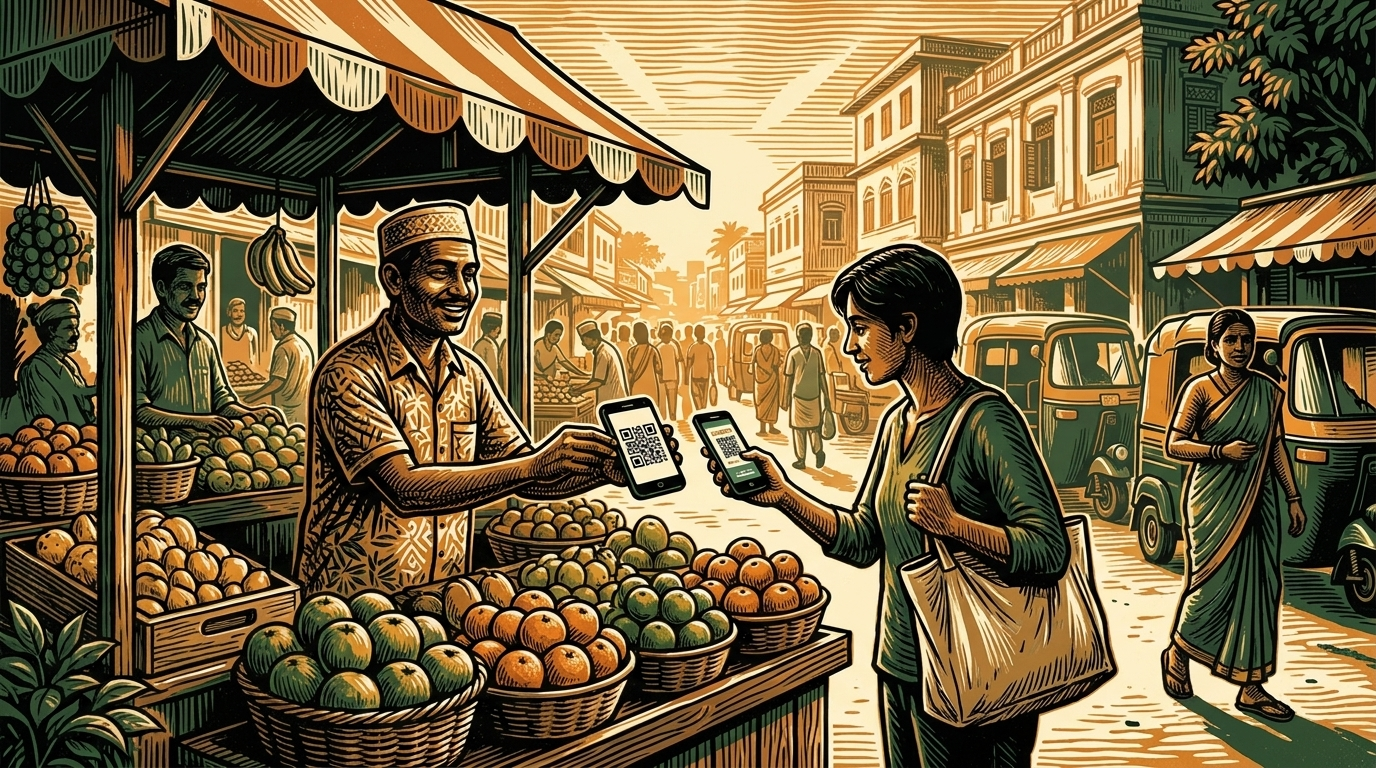
India taxes crypto harder than almost any major economy. Indians keep buying. The country again ranks first worldwide for grassroots adoption — driven not by Mumbai funds but by tier-2, -3 and -4 cities, roughly 75% of on-chain activity.
The backdrop: a flat 30% tax on profits, a 1% levy on every transfer, no loss offsets. Since April 1, exchanges report user transactions straight to the Income Tax Department. The effect has been to push volume offshore and peer-to-peer — not to dent demand.
A young, mobile-first population. A savings culture built on gold. One of the world’s largest remittance inflows. Bitcoin slots into an existing instinct: store value in something the state can’t print.
You can tax a behavior heavily and still fail to stop it, if the need is real.
The stranger signal comes from the top: government insiders have reportedly floated a national bitcoin reserve — held like gold, not spent like tender. Early and unconfirmed. But that the conversation exists at all, in a historically hostile Delhi, is its own data point.
India is the cleanest test of whether grassroots demand is a function of need, not permission. Punitive taxes changed how Indians hold bitcoin, not whether. If Delhi ever funds that reserve, the world’s most populous country will have changed sides.
Editor’s note: the “national bitcoin reserve” report is attributed to unnamed government insiders and is unconfirmed; we flag it as an exploratory signal, not policy.
Free. Five minutes. No hype.
Subscribe free